





Quick Facts
Introduction
Learn how solar photovoltaic cells convert sunlight into electricity, how inverters work, and what affects home solar performance.
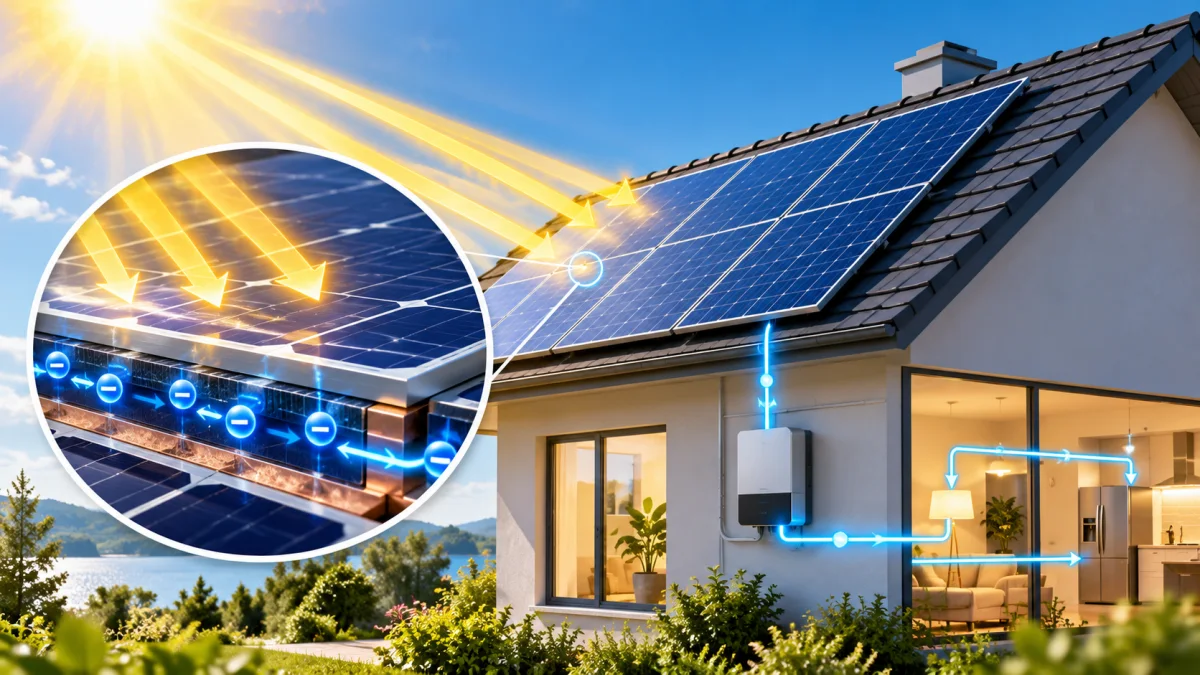
Solar panels generate electricity by converting sunlight into electrical energy. The most common technology is solar photovoltaic, or PV, in which semiconductor cells respond to light. A home solar system normally includes panels, wiring, an inverter, mounting equipment, and sometimes batteries or a connection to the electric grid.
For related updates, explore , Tech News, Top Universities and Artificial Intelligence for more information.
Inside a photovoltaic cell
When sunlight reaches a PV cell, photons transfer energy to electrons in the semiconductor material. This movement creates an electric current. Individual cells produce a relatively small amount of power, so many cells are connected inside a panel and multiple panels can be combined into an array.
The electricity produced by a PV panel is direct current, known as DC. Most homes and public grids use alternating current, or AC. An inverter converts the panel's DC electricity into AC electricity that household appliances can use. Modern systems may also include monitoring equipment that shows production and energy use.
What affects solar output?
Solar production changes with sunlight, season, time of day, weather, shading, panel orientation, tilt, temperature, dust, and system condition. A panel can still generate electricity on a bright cloudy day, but output is usually lower than under direct sunlight. Roof shape and nearby buildings or trees should be assessed before installation.
During a sunny period, a home may use solar electricity immediately, send excess energy to a battery, or export it to the grid if local rules and the electricity provider allow that arrangement. At night or during low production, the home may draw power from stored energy or the grid. The exact financial outcome depends on equipment costs, tariffs, maintenance, and local policy.
Choosing a system carefully
A reliable installer should explain expected production, warranties, inverter capacity, battery limits, roof condition, safety equipment, and grid-connection requirements. Buyers should compare total system cost and long-term performance rather than focusing only on panel wattage. Electrical work should be completed by qualified professionals and in line with local regulations.
Solar power can reduce reliance on grid electricity and lower emissions associated with power generation, but it is not a universal solution for every roof or budget. A site assessment and realistic energy estimate are essential before making a purchase decision.
Note: This article is for general educational purposes. Follow official local guidance and qualified professional advice where safety or health is involved.
Sources: U.S. Department of Energy: How does solar work?
Conclusion
Review the official sources, dates and eligibility conditions mentioned in this article before taking action. For more related updates, explore the category links above.
FAQs
What is this article about?
Learn how solar photovoltaic cells convert sunlight into electricity, how inverters work, and what affects home solar performance.
What topics are covered in this article?
This guide covers: Inside a photovoltaic cell, What affects solar output?, Choosing a system carefully.
What should readers verify before using this information?
Review the article details, dates, official sources and any conditions before taking action or relying on this information.
When was this article last updated?
This article was last updated on 17 October, 2026. Always verify deadline-sensitive information from the official source linked in the article.




Comments (0)
No Comments Found