





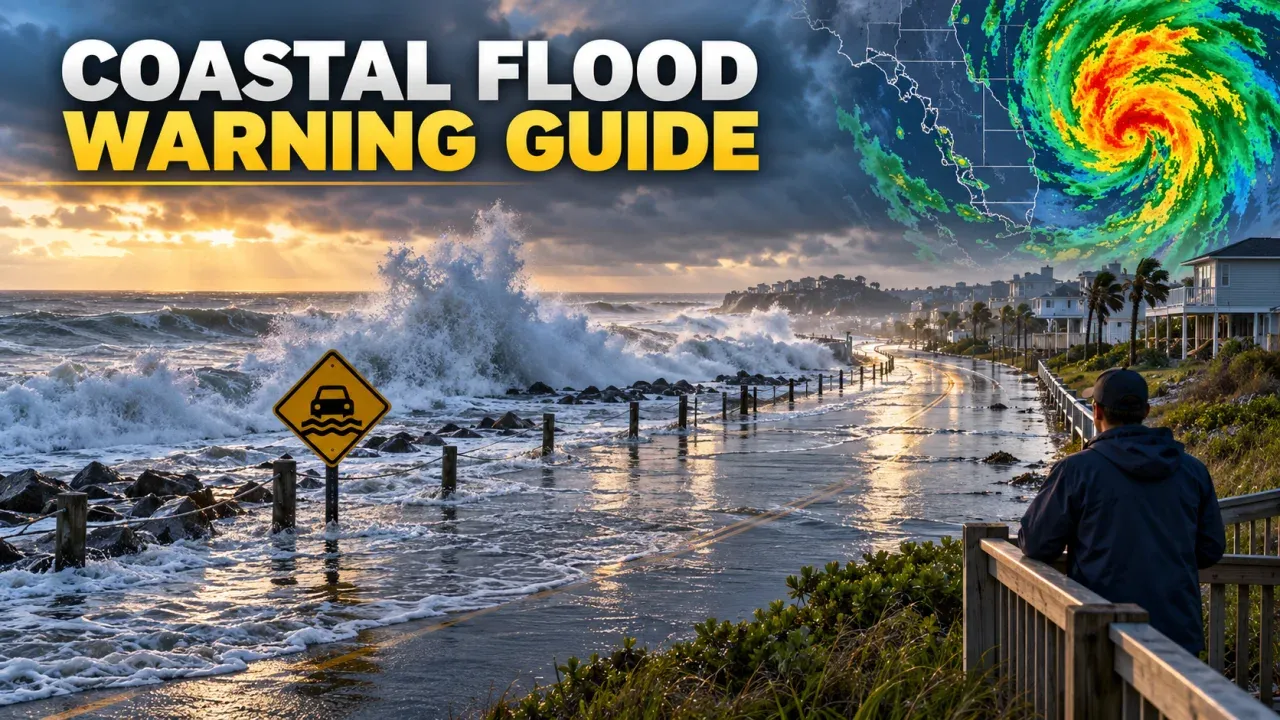
Quick Facts
Introduction
Coastal flood searches are rising as weather alerts spread. Learn the difference between a watch and warning, what to do before flooding and where to check official updates.
A coastal flood warning means water is expected to reach areas that are normally dry, often because of high tides, storm surge, strong winds or heavy rain. When the phrase appears in search trends, it is a reminder to check the official alert for the affected location rather than relying on a general social-media post.
For related updates, explore , Tech News, Top Universities and Artificial Intelligence for more information.
Immediate Safety Rules
- Follow evacuation instructions from local authorities.
- Never drive through flooded roads; water can hide debris and road damage.
- Move vehicles, medication and important documents to higher ground when there is time.
- Keep phones charged and monitor official weather and emergency channels.
Watch, Advisory and Warning: What Is the Difference?
A flood watch generally means conditions are favorable for flooding. It is a planning signal: review routes, supplies and local instructions. A warning means flooding is happening, imminent or expected soon. The appropriate response is to act, not wait for a more dramatic visual confirmation.
Terminology can vary by country and agency, so residents should read the actual alert text. A coastal flood advisory may describe nuisance or minor flooding, while a warning can cover more dangerous water levels.
Why Coastal Flooding Can Be Dangerous
Floodwater is not simply rainwater. It can contain sewage, chemicals, sharp debris and electrical hazards. Moving water can also lift a vehicle or make a familiar road impassable. Even shallow water can hide a missing road edge or open drain.
What to Do Before the Water Arrives
- Check the official forecast and tide information.
- Identify high ground and an alternative route.
- Pack medication, chargers, identification and essential documents.
- Bring pets indoors and prepare a carrier.
- Turn off utilities only if instructed and only if it is safe.
After the Flood
Do not return until authorities say it is safe. Avoid downed wires, contaminated water and damaged buildings. Photograph damage from a safe distance for insurance or assistance, and follow local public-health advice about cleanup.
Frequently Asked Questions
Should I drive through a flooded road if the water looks shallow?
No. Depth and current are difficult to judge, and the road underneath may be damaged. Turn around and follow an official detour.
Where should I check a flood warning?
Use your national weather service, local emergency-management agency and local authority alerts. In the United States, the National Weather Service is a primary source.
What should be in a flood emergency kit?
Include water, medicines, a torch, batteries or power banks, identification, basic first aid, pet supplies and waterproof document protection.
Conclusion
Flood warnings are most useful when people act early. Read the exact alert, avoid floodwater, keep communication devices charged and follow local evacuation instructions. A few minutes of preparation can prevent a dangerous journey or a delayed evacuation.
Safety reference: National Weather Service flood safety guidance.







Comments (0)
No Comments Found