





Quick Facts
Introduction
Understand how heat pumps move heat instead of creating it, the difference between air-source and ground-source systems and their practical limits.
A heat pump is often described as an air conditioner that can work in reverse. That is a useful starting point, but the technology is more interesting: it moves heat rather than generating heat directly through a resistance element. This can reduce energy use for suitable buildings and may provide both heating and cooling from one system.
For related updates, explore , Tech News, Top Universities and Artificial Intelligence for more information.
How does a heat pump transfer heat?
A refrigerant absorbs heat at a low temperature and releases it at a higher temperature after compression. The compressor, heat exchangers, expansion device and fan or pump work together in a closed cycle. In summer, indoor heat is rejected outside. In winter, the cycle reverses and heat from outdoor air or the ground is delivered indoors.
Common types
- Air-source: exchanges heat with outdoor air and is usually easier to install.
- Ground-source: uses buried loops and can be very efficient, but installation is more complex and costly.
- Mini-split: provides zoned heating or cooling without extensive ductwork.
- Central heat pump: distributes conditioned air through a duct system.
What affects performance?
The building envelope matters as much as the appliance. Gaps, poor insulation, blocked filters, incorrect sizing and badly designed airflow can reduce comfort. In very cold weather, an air-source system may need defrost cycles or backup heating. In hot climates, correct installation and refrigerant handling are essential for efficient cooling.
Heat pump versus conventional heater
A resistance heater converts electricity directly into heat, while a heat pump uses electricity to move existing heat. A heat pump can therefore deliver more heat energy than the electricity it consumes under suitable conditions. The comparison should include purchase cost, electricity price, maintenance, expected life and the local need for heating or cooling.
Buying and maintenance checklist
- Ask for a load calculation rather than choosing only by room size or marketing claims.
- Check the system’s efficiency rating and operating range.
- Use a qualified installer and confirm warranty coverage.
- Clean filters and outdoor coils according to the manufacturer’s schedule.
- Keep outdoor airflow clear and arrange professional service if performance drops.
Heat pumps are an educational technology topic, not a guarantee of a particular electricity bill. Compare local products and obtain an installation estimate before making a purchase.
FAQs
Can a heat pump cool a home as well as heat it?
Yes. Reversible heat pumps can remove indoor heat in cooling mode and deliver heat indoors in heating mode.
Do heat pumps work in every climate?
They can be designed for many climates, but the model, sizing and backup strategy must match local temperatures and building conditions.
Are heat pumps the same as solar panels?
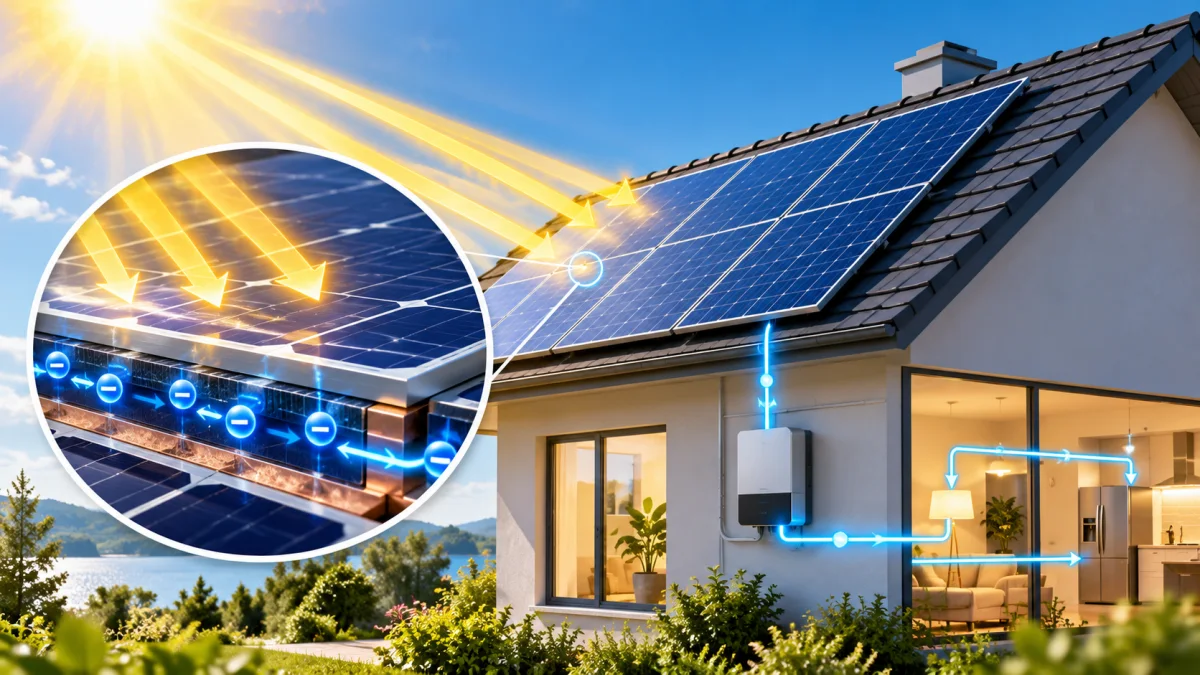
No. A heat pump transfers thermal energy, while solar panels convert sunlight into electricity. They can be used together.
Conclusion
Review the official sources, dates and eligibility conditions mentioned in this article before taking action. For more related updates, explore the category links above.







Comments (0)
No Comments Found