





Introduction
Learn how vaccines train the immune system, produce antibodies and memory cells, and reduce the risk of serious infectious disease.
Vaccines are one of the most important tools in modern public health. They prepare the body to recognise a particular infection before a person encounters the real disease-causing germ. This preparation can reduce the chance of infection, lower the severity of illness, and help protect people who are especially vulnerable. Vaccination does not mean that every person will have exactly the same response, but it gives the immune system useful information in advance.
For related updates, you can also check our latest jobs, scholarships, government schemes, and admissions pages for more opportunities.
What the immune system learns
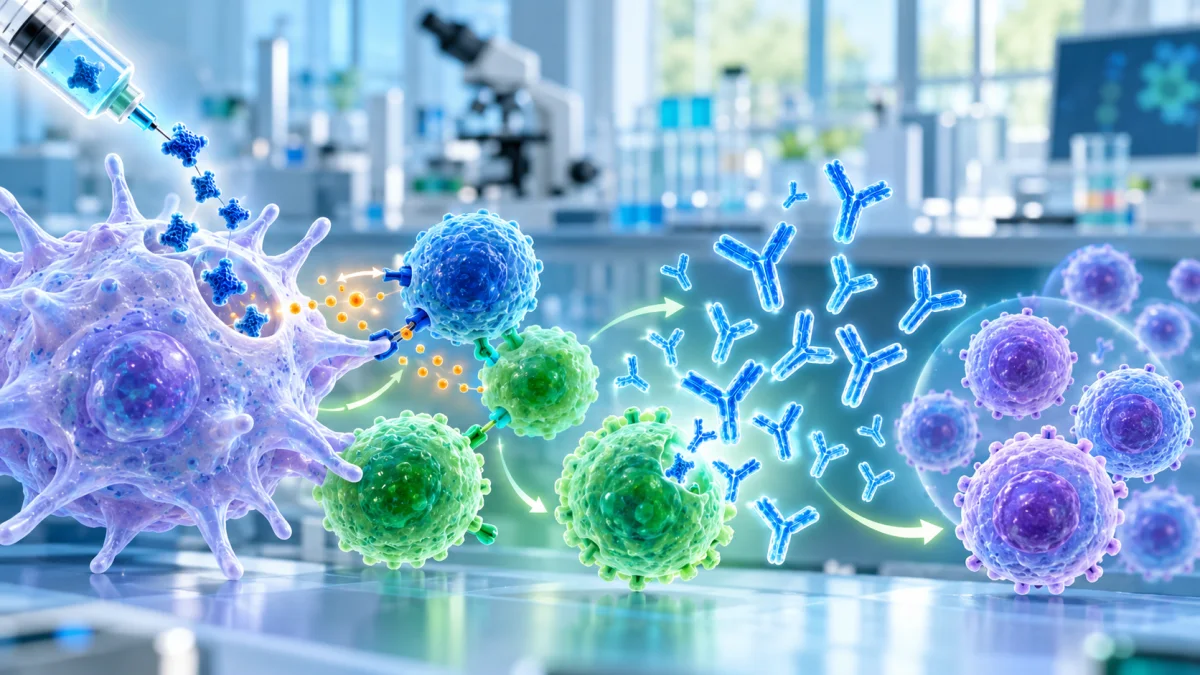
The immune system identifies foreign substances called antigens. An antigen may be found on a virus, bacterium, or another germ. A vaccine presents the immune system with a safe form or part of that target, such as an inactivated germ, a weakened version, a protein, or genetic instructions that allow cells to briefly make a harmless antigen. The vaccine is designed to teach recognition without causing the full disease it is meant to prevent.
After recognising the antigen, the body activates immune cells. B cells can produce antibodies, which are proteins that attach to specific targets and help block or mark them for removal. Other immune cells help coordinate the response and remove infected cells when necessary. The process is specific: antibodies made for one antigen do not automatically protect against every unrelated infection.
Why memory cells matter
The immune response also creates memory cells. These cells can remain in the body after the first immune response has settled. If the same or a closely related germ appears later, memory cells can help the immune system respond more quickly and strongly than it did during a first exposure. A faster response may stop the infection early or reduce the amount of time the germ can multiply.
Protection can change over time. Some vaccines require more than one dose because the recommended schedule is designed to build, strengthen, or renew immunity. Age, health conditions, pregnancy, previous exposure, and the type of vaccine can all affect which schedule is appropriate. A healthcare professional or official immunisation programme is the right source for personal recommendations.
Vaccines and community protection
When many people are protected, an infectious disease has fewer opportunities to spread. This can provide indirect protection to people who cannot receive certain vaccines or who may not develop a strong immune response. Community protection is not a replacement for individual vaccination, but it is an important public-health benefit of high coverage.
Vaccines can cause temporary effects such as soreness, tiredness, or a mild fever because the immune system is responding. Serious reactions are uncommon, but any concerning symptom should be discussed with a qualified healthcare professional. Vaccine decisions should be based on reliable medical guidance rather than social-media claims or unverified messages.
Important: This article is for general education, not personal medical advice. Consult a qualified healthcare professional for diagnosis, treatment, or vaccine or medicine decisions.
Sources: World Health Organization: How do vaccines work?
To stay updated with similar content, also visit our schemes, scholarships, jobs, and admissions pages for new opportunities and official updates.
FAQs
What is this article about?
This article explains the main details, timeline, and important updates related to How Vaccines Work: Immune System, Antibodies and Memory Cells in a simple, reader-friendly format.
Where can I find more opportunities like this?
You can explore our dedicated jobs, scholarships, schemes, and admissions sections for similar updates, official notices, and recent opportunities.
How often is this page updated?
We refresh important articles whenever new announcements, corrections, or deadline changes become available so readers can stay informed.







Comments (0)
No Comments Found