





Introduction
Understand antibiotic resistance, how misuse and overuse drive it, and what patients and communities can do to use antibiotics safely.
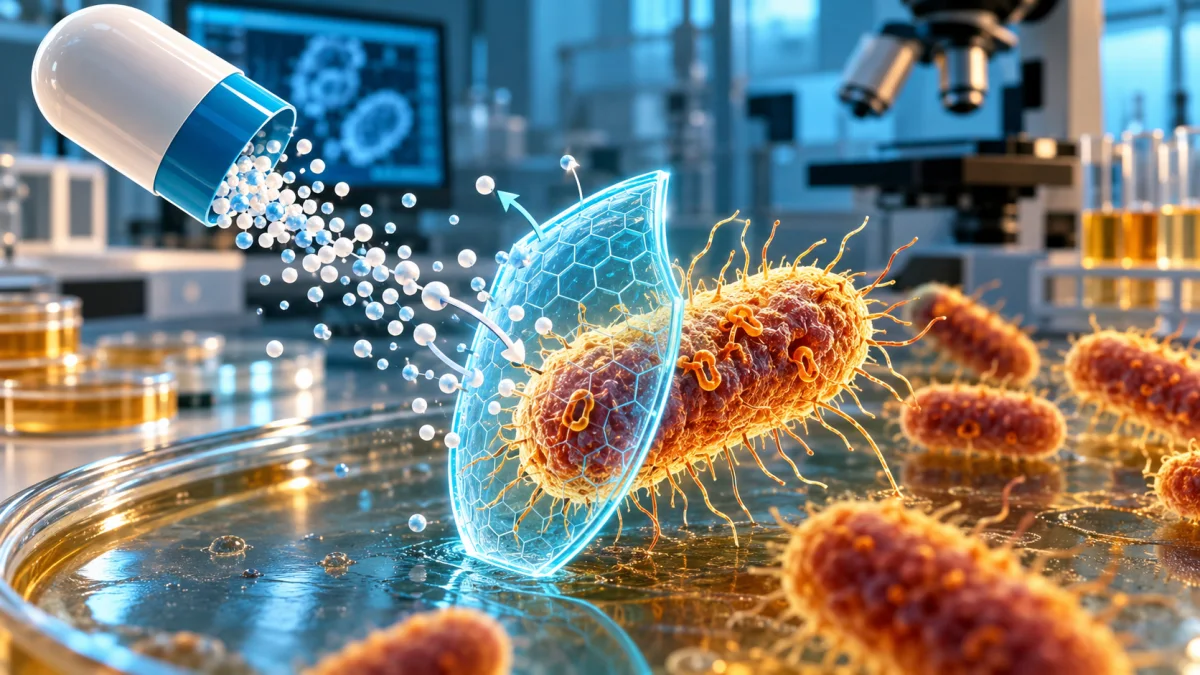
Antibiotic resistance happens when bacteria change or acquire traits that allow them to survive medicines designed to kill them or stop their growth. It is a major health concern because infections caused by resistant bacteria can become harder to treat. Resistance is not the body becoming resistant to an antibiotic; it is the germ becoming less sensitive to the medicine.
For related updates, you can also check our latest jobs, scholarships, government schemes, and admissions pages for more opportunities.
How resistance develops
Bacteria reproduce and can sometimes acquire genetic changes. When an antibiotic is used, susceptible bacteria may die while bacteria with resistance traits survive. Those survivors can multiply and may pass resistance traits to other bacteria. The process becomes more likely when antibiotics are used unnecessarily, taken incorrectly, or used widely without proper oversight.
Antibiotics treat certain bacterial infections. They do not treat viral illnesses such as most common colds and many cases of flu. Taking an antibiotic for a viral infection exposes the body and the wider community to unnecessary medicine use without helping the original illness. Only a qualified clinician can decide whether an antibiotic is appropriate for a particular patient.
Common behaviours that increase risk
Using leftover antibiotics, sharing medicine with another person, buying antibiotics without professional advice, or stopping a course early can create problems. The correct medicine, dose, timing, and duration depend on the infection and the individual. People should follow the prescription instructions and contact the prescriber if side effects, missed doses, or worsening symptoms create uncertainty.
Resistance can spread in hospitals, homes, farms, food systems, and communities. Good hand hygiene, safe food preparation, clean water, appropriate infection control, vaccination, and staying home when infectious can reduce transmission. Preventing an infection also prevents the need for antibiotics in the first place.
What patients can do
Ask whether an infection is bacterial and whether testing is needed. Do not pressure a healthcare worker for antibiotics when they are not recommended. If an antibiotic is prescribed, take it exactly as directed and never save or share remaining doses. Seek medical help if symptoms become severe, do not improve as expected, or return after treatment.
Antibiotic resistance is a shared responsibility. Doctors, pharmacists, hospitals, agriculture, public-health agencies, and patients all influence how these medicines are used. Protecting antibiotics today helps keep effective treatments available for surgery, cancer care, serious infections, and routine medical procedures in the future.
Important: This article is for general education, not personal medical advice. Consult a qualified healthcare professional for diagnosis, treatment, or vaccine or medicine decisions.
Sources: World Health Organization: Antimicrobial resistance
To stay updated with similar content, also visit our schemes, scholarships, jobs, and admissions pages for new opportunities and official updates.
FAQs
What is this article about?
This article explains the main details, timeline, and important updates related to Antibiotic Resistance: Causes, Prevention and Why It Matters in a simple, reader-friendly format.
Where can I find more opportunities like this?
You can explore our dedicated jobs, scholarships, schemes, and admissions sections for similar updates, official notices, and recent opportunities.
How often is this page updated?
We refresh important articles whenever new announcements, corrections, or deadline changes become available so readers can stay informed.







Comments (0)
No Comments Found