



Quick Facts
Introduction
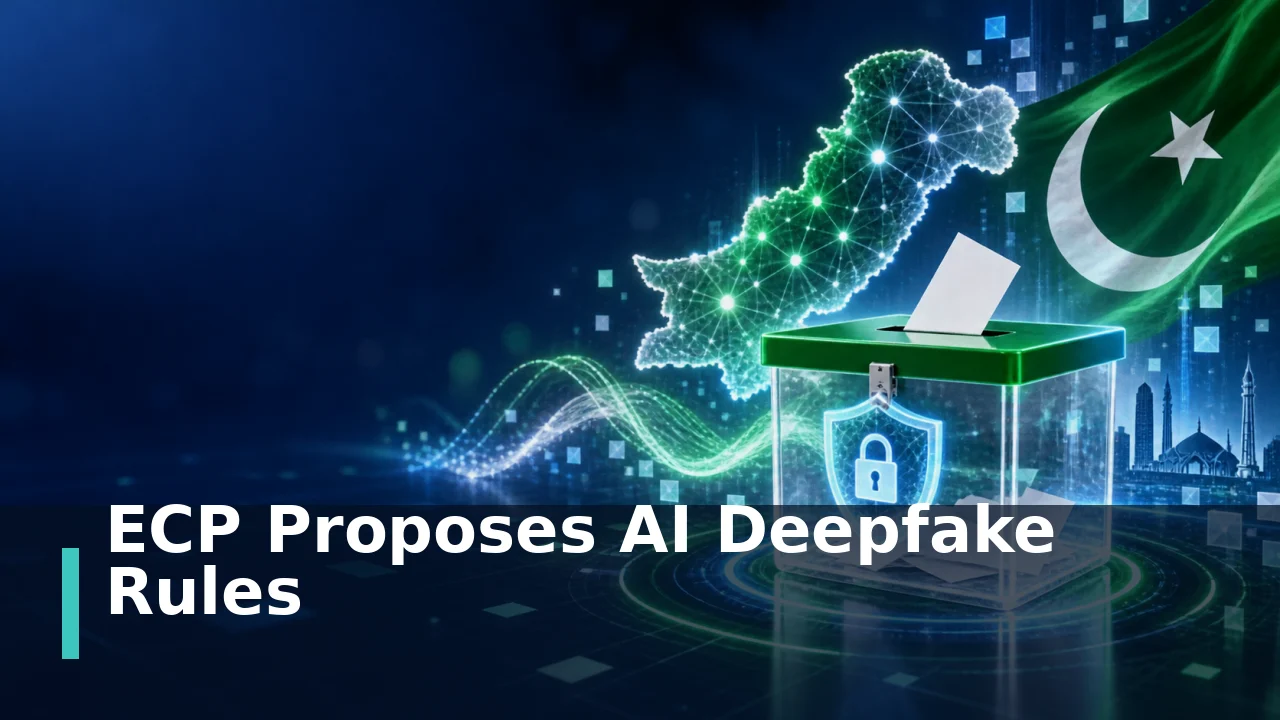
The ECP has proposed rules requiring disclosure of AI-generated election content and banning deceptive deepfakes. Read the draft’s key points and feedback date.
The Election Commission of Pakistan has proposed new rules for artificial intelligence, deepfakes and election-related digital content. The draft would require parties, candidates, media organisations and observers to disclose or label AI-generated material and would prohibit deceptive synthetic content aimed at misleading voters.
For related updates, explore Tech News, Mobile Phones, Startup News and Knowledge Base for more information.
Key Proposals
- AI-generated campaign material would need clear disclosure.
- Deceptive deepfake images, video, audio and synthetic voices would be prohibited.
- Political parties would be barred from using automated accounts to create fake trends.
- AI-assisted robocalls and cloned voices would need an announcement at the start.
- Stakeholders have been invited to submit feedback by November 20, 2026.
Why the ECP Is Acting
Generative AI can produce convincing images, voices and videos quickly. During an election, false material can spread before a newsroom or fact-checker has time to verify it. The ECP says its constitutional responsibility to protect honest and fair elections includes addressing manipulation created with AI.
The proposal treats fake engagement as part of the problem too. Bots and automated accounts can make a claim look popular even when the apparent support is artificial. Clear rules can help voters distinguish genuine campaign communication from manufactured attention.
What Parties and Candidates Would Need to Do
Political actors using AI for campaign graphics, videos, voice messages or outreach would need to identify that use. The draft also proposes retaining logs of AI-assisted campaign content so that the ECP can request them. Parties would remain responsible for complying with election law.
Media outlets and influencers would be allowed to use AI for translation, anchoring or analysis, but they would have to disclose its use and remain responsible for accuracy. That distinction is important: using a tool is not the same as using it to fabricate a person’s words or actions.
What Happens Next?
The rules are proposals, not a final verdict on every future post. Stakeholder feedback will be considered before the ECP decides how the amendments proceed. Users should continue checking the commission’s official notifications for the final wording.
Frequently Asked Questions
What is the ECP proposing?
It is proposing disclosure rules for AI-generated election content and a ban on deceptive deepfakes and fake automated trends.
When is feedback due?
The draft invites feedback by November 20, 2026.
Will all AI use be banned?
No. The proposal focuses on disclosure, authenticity and deceptive manipulation rather than banning every legitimate use of AI.
Conclusion
The ECP’s proposal reflects a growing election challenge: technology can make false material look authentic at unprecedented speed. Clear labels, audit records and enforcement will matter if voters are to understand how campaign content was produced.
Source: Dawn report on the ECP draft. Explore AI updates.







Comments (0)
No Comments Found