





Introduction
Understand AI video generation in 2026, from text-to-video and image-to-video to editing, storyboards, audio, rights and creator workflows.
AI video tools have developed from short visual experiments into broader production assistants. Creators can generate a scene from text, animate a reference image, remove or replace elements, create variations and analyse long footage. The result is not automatically a finished film: continuity, motion, dialogue, facts, rights and brand consistency still need human review. AI video is most useful when it reduces production friction while a person remains responsible for the story and final edit.
For related updates, you can also check our latest jobs, scholarships, government schemes, and admissions pages for more opportunities.
The main AI video workflows
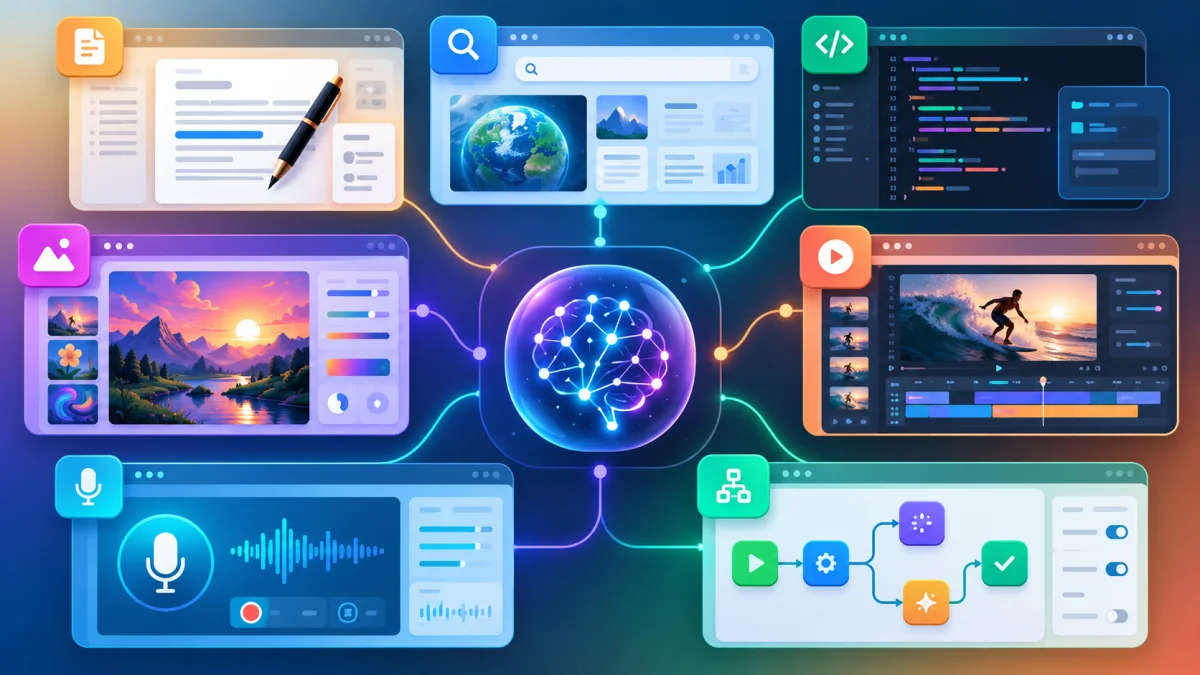
- Text-to-video: describe a shot, camera movement, subject and mood to create a starting clip.
- Image-to-video: animate a still image or concept frame while controlling movement and composition.
- Video editing: remove objects, alter backgrounds, create transitions or produce shorter versions.
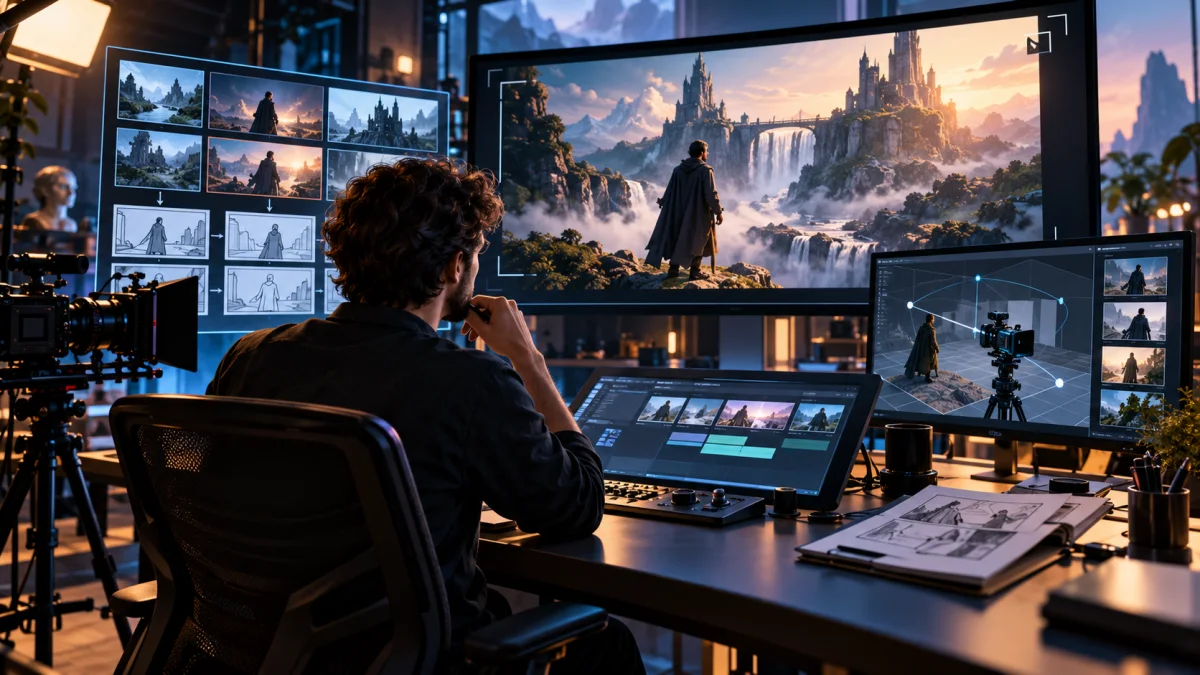
- Storyboard development: turn a script into visual references before expensive production begins.
- Video understanding: search, summarise or extract events from long recordings with multimodal models.
Why prompts alone are not enough
Good results depend on shot design: duration, framing, subject motion, lighting, lens language and continuity with earlier clips. Break a complex story into manageable shots and keep a reference sheet for characters, locations and props. Generate several options, select the most useful take and edit the sequence manually. Current systems can still produce unstable text, changing faces, incorrect hands and physically impossible movement.
Tools and model ecosystems
Runway's model catalogue shows how creative platforms are combining generation and editing capabilities. Google has also described agentic video understanding for Gemini, where a model can scan video dynamically instead of processing every frame in the same way. Availability, limits and pricing vary by region and plan, so creators should check official product pages before planning a commercial project.
Rights, consent and disclosure
Before using a real person's face or voice, obtain appropriate consent and follow the relevant law and platform rules. Keep records for stock footage, music, logos and reference images. Do not use AI video to impersonate a person, create misleading public information or hide a material alteration. For journalism, advertising and public communication, a clear disclosure policy can protect audience trust.
A practical production checklist
- Write the intended audience and message before generating visuals.
- Create a shot list and define which parts must remain factual.
- Use approved references and check commercial usage terms.
- Review every frame for identity, text, logos, physics and unintended content.
- Keep project files and generation notes so revisions can be explained.
Source: Runway: official models catalogue
Source: Google: Agentic video understanding in Gemini
Source: Adobe: Firefly video and image capabilities
Important: AI tools, features, prices and availability change quickly. Verify current product documentation, privacy terms, copyright rules and safety controls before using an AI system for important work.
To stay updated with similar content, also visit our schemes, scholarships, jobs, and admissions pages for new opportunities and official updates.
FAQs
What is this article about?
This article explains the main details, timeline, and important updates related to AI Video Generation in 2026: Text-to-Video, Editing and Creator Tools in a simple, reader-friendly format.
Where can I find more opportunities like this?
You can explore our dedicated jobs, scholarships, schemes, and admissions sections for similar updates, official notices, and recent opportunities.
How often is this page updated?
We refresh important articles whenever new announcements, corrections, or deadline changes become available so readers can stay informed.






Comments (0)
No Comments Found