



Introduction
Learn why AI chips, memory, networking and data centers matter in 2026 as more AI agents and multimodal applications run at production scale.
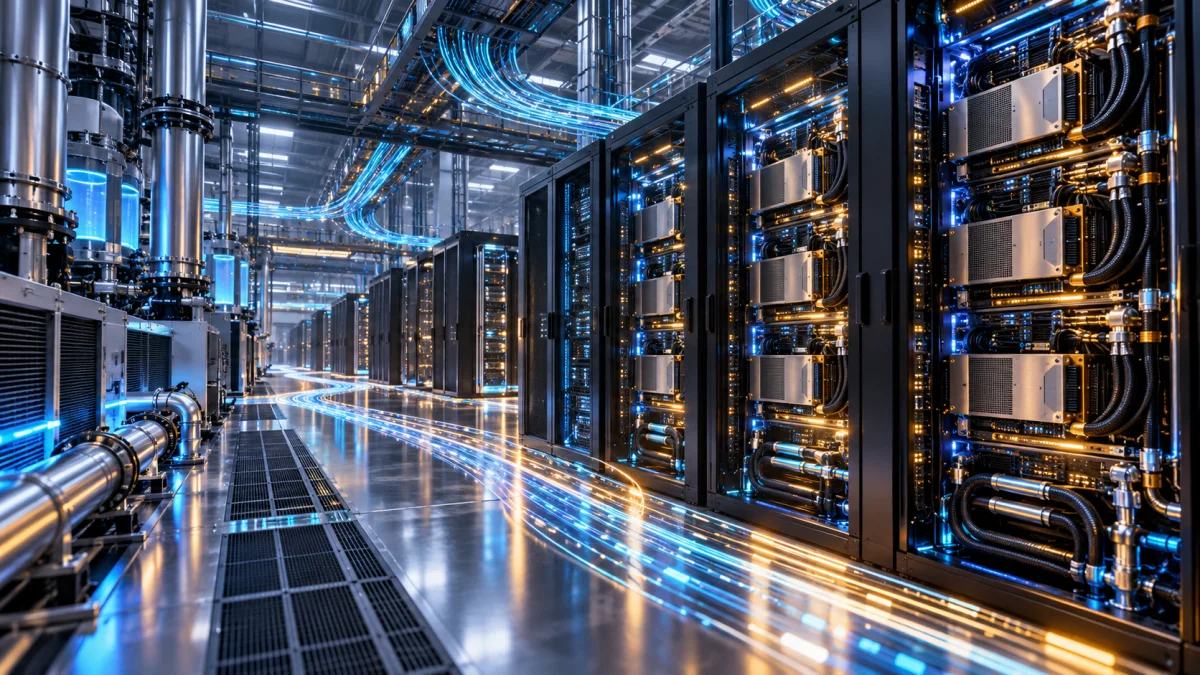
When people discuss AI progress, they often focus on the model. Behind every response is an infrastructure stack: accelerators, memory, networking, storage, cooling, power and software that serves the model to users. In 2026, the growth of AI agents and multimodal applications is making inference—the process of running a trained model—just as important as training. A useful system must respond quickly and affordably at the moment a user or agent requests an action.
For related updates, you can also check our latest jobs, scholarships, government schemes, and admissions pages for more opportunities.
Training and inference are different workloads
Training creates or improves a model and may require a large cluster for a long period. Inference serves individual requests, often with strict latency and cost requirements. An agent may make several model calls for one task, inspect a document, call an API and ask for a review. That means efficient inference, memory bandwidth and networking can have a major effect on the final user experience.
What modern AI infrastructure includes
- Accelerators for matrix operations and model computation.
- High-bandwidth memory for moving model data quickly.
- Fast networking to connect servers and distributed model components.
- Storage systems for documents, embeddings, logs and training data.
- Cooling and power systems that keep dense computing reliable.
- Serving software that routes requests, batches work and monitors failures.
Why specialised AI CPUs and platforms are appearing
As AI agents use more tools and manage longer workflows, general-purpose coordination and data movement become important alongside GPU computation. NVIDIA has described Vera as a CPU designed for agentic AI systems and Vera Rubin as a platform for the next phase of AI infrastructure. These announcements illustrate an industry direction, not a guarantee that one vendor or architecture will dominate every workload.
What infrastructure means for businesses
Most businesses do not need to buy a data center to use AI. They do need to understand the consequences of model choice: response time, service limits, regional availability, privacy, data transfer and recurring inference cost. A smaller model may be enough for routine extraction, while a larger model can be reserved for difficult reasoning. Caching, batching and retrieval can reduce unnecessary calls when designed carefully.
Energy and sustainability questions
AI infrastructure consumes electricity and water for computing and cooling, although the impact varies by hardware, workload, location and energy source. Responsible planning measures useful work per unit of cost and energy, not just the number of model parameters. Efficient models, better utilisation, renewable power and longer hardware lifecycles can all influence the footprint.
Source: NVIDIA: Vera, the CPU for agents
Source: NVIDIA: Vera Rubin platform
Source: OpenAI: How agents are transforming work
Important: AI tools, features, prices and availability change quickly. Verify current product documentation, privacy terms, copyright rules and safety controls before using an AI system for important work.
To stay updated with similar content, also visit our schemes, scholarships, jobs, and admissions pages for new opportunities and official updates.
FAQs
What is this article about?
This article explains the main details, timeline, and important updates related to AI Chips and Data Centers in 2026: Why Inference Infrastructure Matters in a simple, reader-friendly format.
Where can I find more opportunities like this?
You can explore our dedicated jobs, scholarships, schemes, and admissions sections for similar updates, official notices, and recent opportunities.
How often is this page updated?
We refresh important articles whenever new announcements, corrections, or deadline changes become available so readers can stay informed.






Comments (0)
No Comments Found