
Introduction
Learn how AI image generation and editing tools are changing design in 2026, with practical workflows, brand controls and copyright precautions.
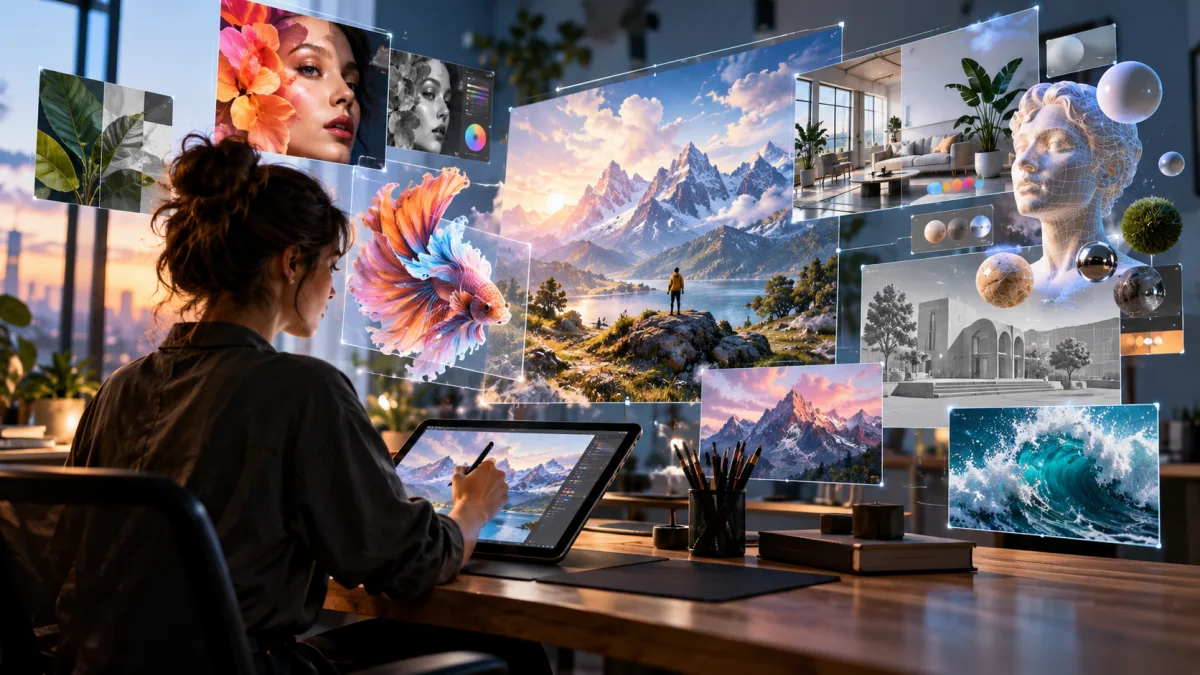
AI image generation is now used for ideation, advertising concepts, product mock-ups, social media graphics, illustrations and image editing. The strongest workflow is iterative: describe the goal, generate several directions, select a useful composition, edit details and complete a human quality check. A generated image can look polished while still containing incorrect text, inconsistent objects or an unsuitable depiction of a person.
For related updates, you can also check our latest jobs, scholarships, government schemes, and admissions pages for more opportunities.
What image tools do well
- Create quick visual concepts before a designer commits to a final direction.
- Produce variations in composition, colour, lighting and art style.
- Extend or remove backgrounds and prepare different aspect ratios.
- Turn a rough reference into a more complete mock-up for review.
- Support localisation and campaign experimentation when brand rules are clear.
Where human editing remains essential
Typography, logos, product specifications, hands, repeated patterns and small interface details still require close inspection. For a business asset, a designer should correct the image in a normal editing tool and verify that the output matches the approved brand system. The more important the image, the less appropriate it is to publish an unreviewed first generation.
Choosing a creative platform
Adobe Firefly focuses on creative workflows and integration with Adobe products. Midjourney is widely used for visual exploration and style-driven concept work. Image features inside general AI assistants can be convenient when the brief, revision and explanation are part of one conversation. Compare consistency, editing controls, reference-image handling, export quality, privacy and commercial terms rather than choosing only by viral examples.
Copyright and identity considerations
Copyright rules differ by jurisdiction and continue to develop. Read the provider's current terms, keep records of inputs and edits, and avoid presenting a generated image as documentary evidence. Do not use a person's likeness, a private photograph or a protected brand asset in a misleading way. For client work, agree in writing who is responsible for review, disclosure and rights clearance.
A reliable image workflow
- Write a short creative brief with audience, purpose, dimensions and brand constraints.
- Use references that you have permission to use.
- Generate alternatives instead of forcing one weak result to work.
- Check text, faces, product details, backgrounds and unintended symbols.
- Retain the prompt, source files, edits and approvals for important campaigns.
Source: Adobe: Firefly expansion for image and video creation
Source: Midjourney official website
Source: EU AI Act enforcement framework
Important: AI tools, features, prices and availability change quickly. Verify current product documentation, privacy terms, copyright rules and safety controls before using an AI system for important work.
To stay updated with similar content, also visit our schemes, scholarships, jobs, and admissions pages for new opportunities and official updates.
FAQs
What is this article about?
This article explains the main details, timeline, and important updates related to AI Image Generation in 2026: New Creative Tools, Editing and Copyright in a simple, reader-friendly format.
Where can I find more opportunities like this?
You can explore our dedicated jobs, scholarships, schemes, and admissions sections for similar updates, official notices, and recent opportunities.
How often is this page updated?
We refresh important articles whenever new announcements, corrections, or deadline changes become available so readers can stay informed.




Comments (0)
No Comments Found