





Quick Facts
Introduction
Shamonda virus explained: learn what WHO and French health authorities say about the first documented human case, animal transmission and public risk.
The Shamonda virus is trending after health authorities in France reported the first documented human infection. The case involved a severely immunocompromised patient who was already receiving treatment for a serious illness and later died.
For related updates, explore Knowledge Base, Government Schemes, Scholarships and Tech News for more information.
This article explains what is currently known from public-health sources. It is not a diagnosis or a personal medical assessment. Health information can change as investigations continue.
What Is Shamonda Virus?
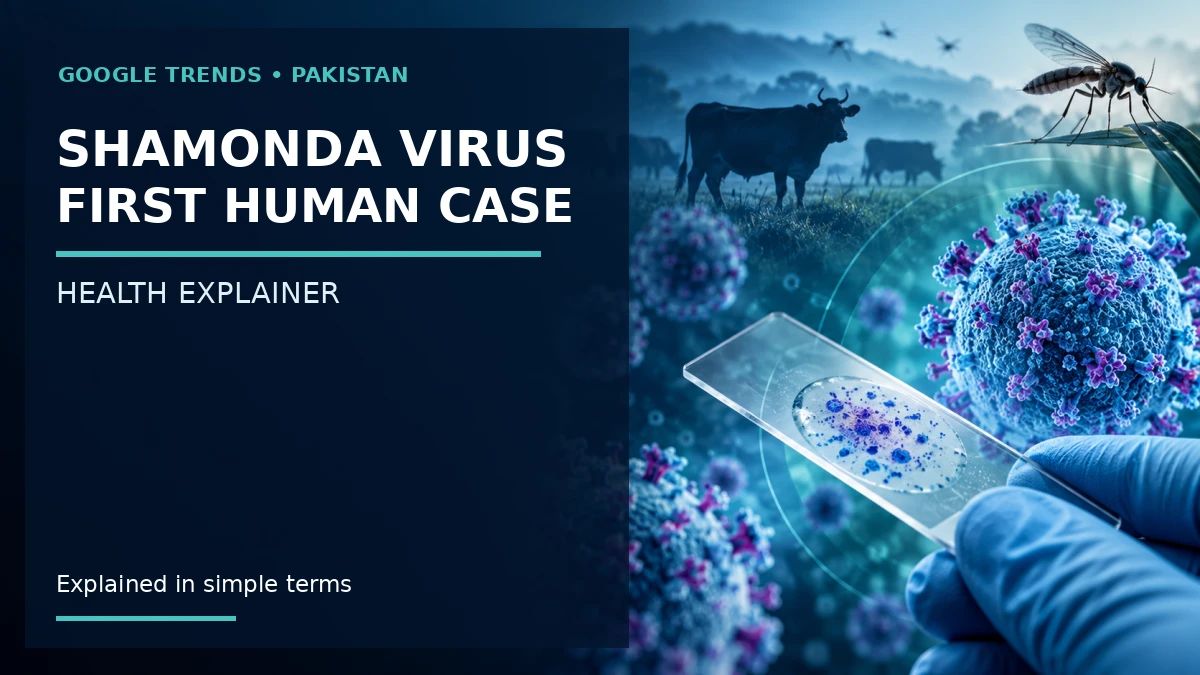
Shamonda virus is an orthobunyavirus that has primarily been associated with animals, including cattle, sheep, goats and horses. It was first identified in Nigeria in the 1960s and has been reported sporadically in animals in parts of Africa and Japan.
The virus is thought to spread among animals through biting midges of the Culicoides group. It is related to viruses in the Simbu serogroup and is different from common human respiratory viruses.
What Happened in France?
French authorities reported the first documented human infection in October 2026. The patient was severely immunocompromised and had a serious neurological condition. Investigators are examining how the infection was acquired and whether the virus contributed to the patient’s complications.
Is Shamonda Virus a Risk to the General Public?
Based on current knowledge, WHO and French public-health authorities say that no human-to-human transmission or public-health risk to the general population has been identified. The case is considered exceptional because of the patient’s severe underlying condition.
This assessment may be updated if new evidence emerges. People should avoid sensational social-media claims and follow public-health authorities for verified information.
Are There Treatments or Vaccines?
WHO states that there are currently no specific treatments or vaccines for Shamonda virus. Because only one human case has been documented, knowledge about symptoms and clinical care in humans remains limited.
The WHO Shamonda virus Q&A and the French public-health update should be treated as the primary references for future changes.







Comments (0)
No Comments Found