





Quick Facts
Introduction
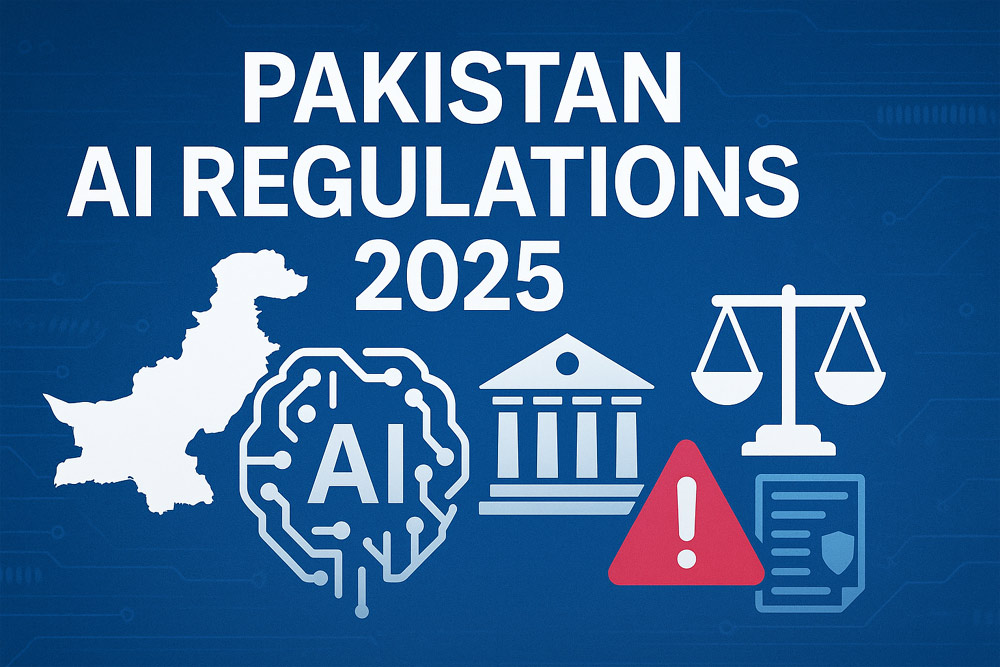
Introduction Pakistan AI Regulations 2025 are emerging as a critical national issue as artificial intelligence adoption accelerates across government, banking, healthcare, and media. With AI tools influencing decision-making, surveillance, and automation, Pakistan is moving toward regulatory frameworks to ensure safe and ethical use. In 2025, AI regulation in Pakistan is closely linked with data protection, cyber security, and Digital Pakistan initiatives. Policymakers aim to balance innovation
Introduction
Pakistan AI Regulations 2025 are emerging as a critical national issue as artificial intelligence adoption accelerates across government, banking, healthcare, and media. With AI tools influencing decision-making, surveillance, and automation, Pakistan is moving toward regulatory frameworks to ensure safe and ethical use. In 2025, AI regulation in Pakistan is closely linked with data protection, cyber security, and Digital Pakistan initiatives. Policymakers aim to balance innovation with public safety, making this topic highly relevant for businesses, developers, and citizens.What Are Pakistan AI Regulations?
Pakistan AI regulations refer to policy guidelines, proposed laws, and regulatory frameworks governing AI development and usage.Key components include:
- National AI Policy drafts
- Data protection and privacy laws
- Cybercrime and digital governance rules
- Ethical AI principles
Why Pakistan AI Regulations Are Trending in 2025
The topic is trending due to rapid digital expansion and regulatory gaps. Key reasons:- Increased AI use in government databases
- Growth of fintech and digital banking
- Concerns over data privacy and misuse
- Influence of global AI laws like the EU AI Act
- Rising IT exports and foreign partnerships
Current Legal and Policy Landscape in Pakistan
National AI Policy
- Focus on innovation and capacity building
- Encourages responsible AI adoption
- Still evolving toward enforceable regulation
Data Protection Laws
- Personal Data Protection Bill under review
- Aims to regulate data collection and AI training data
- Crucial for AI compliance
Cybercrime Framework
- PECA laws indirectly impact AI misuse
- Covers deepfakes, misinformation, and digital fraud
Impact on Businesses and IT Industry
Pakistan AI regulations will directly affect the tech sector.Expected impacts:
- Compliance requirements for AI platforms
- Data localization and privacy obligations
- Increased trust for foreign investors
- Regulation of AI-driven fintech and health tech
Expert Opinions and Industry Views
According to Pakistan Software Houses Association (P@SHA), clear AI regulations can boost investor confidence. Policy experts emphasize that delayed regulation increases cyber and privacy risks. Global institutions recommend Pakistan align its AI governance with OECD and UN standards.How Pakistan Can Prepare for AI Regulation
Practical steps include:- Finalizing the Personal Data Protection law
- Creating an independent AI regulatory body
- Training regulators and developers
- Promoting ethical AI standards
Conclusion
Pakistan AI Regulations 2025 represent a defining phase for the country’s digital future. Effective regulation can protect citizens, attract investment, and strengthen Pakistan’s position in the global AI economy. The challenge lies in implementing laws without slowing innovation. Stakeholders must act early to stay compliant and competitive.References
- Ministry of IT & Telecom Pakistan
- Digital Pakistan Policy documents
- P@SHA industry statements
- International AI governance reports (OECD, UN)
FAQs
What is this article about?
Introduction Pakistan AI Regulations 2025 are emerging as a critical national issue as artificial intelligence adoption accelerates across government, banking, healthcare, and media. With AI tools influencing decision-making, surveillance, and automation, Pakistan is moving toward regulatory frameworks to ensure safe and ethical use. In 2025, AI regulation in Pakistan is closely linked with data protection, cyber security, and Digital Pakistan initiatives. Policymakers aim to balance innovation
What topics are covered in this article?
This guide covers: Introduction, What Are Pakistan AI Regulations?, Key components include:, Why Pakistan AI Regulations Are Trending in 2025, Current Legal and Policy Landscape in Pakistan.
What should applicants check before applying?
Applicants should check eligibility, required documents, the closing date and the official application channel before submitting any information.
When was this article last updated?
This article was last updated on 13 December, 2025. Always verify deadline-sensitive information from the official source linked in the article.






Comments (0)
No Comments Found