





Quick Facts
Introduction
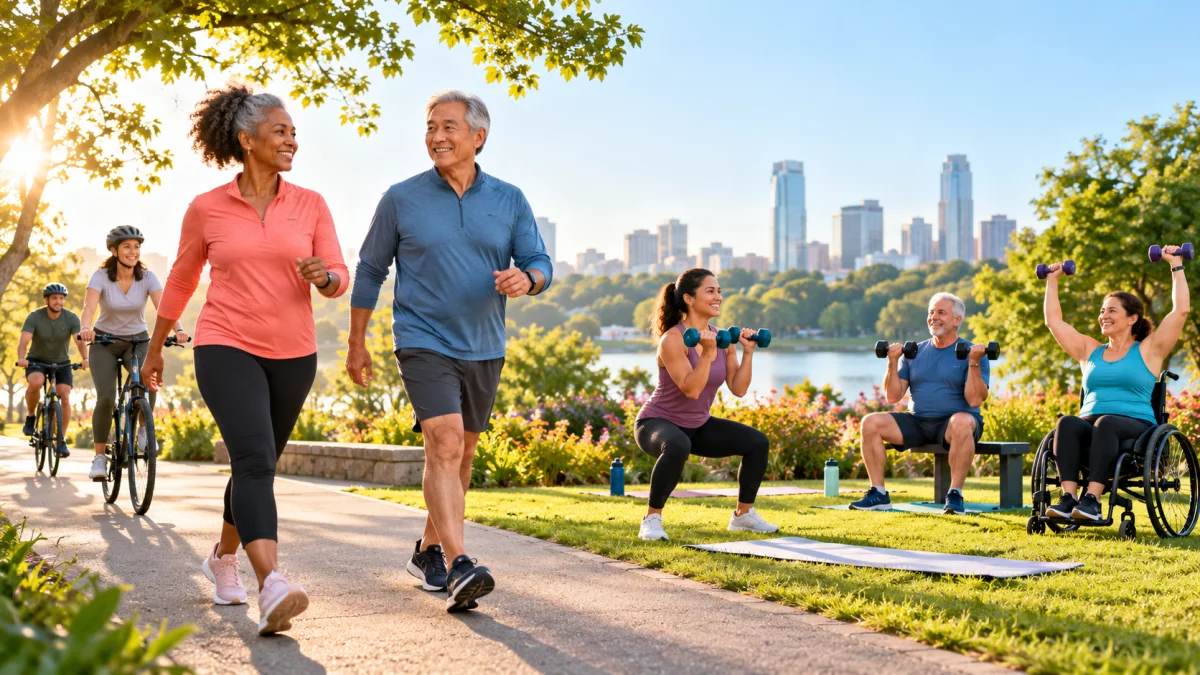
Use this practical guide to start a safe exercise routine with walking, strength work, mobility, rest and gradual progress for everyday fitness.
Regular physical activity supports cardiovascular fitness, muscle strength, mobility and emotional wellbeing. It does not have to mean a gym membership or intense training. Walking, cycling, household activity, dancing, swimming, sports and strength exercises can all contribute. The best routine is one that matches your ability, schedule and health goals and can be repeated safely over time.
For related updates, explore Knowledge Base, Government Schemes, Scholarships and Tech News for more information.
How much activity do adults need?
WHO recommends that adults aged 18 to 64 aim for at least 150 minutes of moderate-intensity aerobic activity a week, or 75 minutes of vigorous activity, or an equivalent combination. Adults can gain additional benefits by moving toward 300 minutes of moderate activity per week and by doing muscle-strengthening activities on two or more days. These are population guidelines, not a pass-or-fail test.
Start with a manageable plan
- Begin with short sessions, such as a ten-minute brisk walk, and increase duration gradually.
- Use the talk test: moderate activity usually makes breathing faster while conversation remains possible.
- Add strength work for major muscle groups with body weight, resistance bands or suitable weights.
- Include warm-up movements, comfortable footwear and rest when needed.
- Break up long sitting periods with brief standing, walking or stretching.
Safety matters more than speed
Stop and seek medical advice for chest pain, fainting, severe breathlessness, unusual palpitations or other serious symptoms. People with chronic disease, pregnancy, recent surgery, significant pain or long inactivity may need a personalised starting point. Avoid comparing your routine with an athlete or following a plan that ignores warning signs.
How to stay consistent
Schedule activity at a time you can protect, invite a friend, choose enjoyable movement and measure progress by energy, strength or consistency rather than appearance alone. If weather or transport is a problem, use stairs where safe, walk indoors, follow a low-impact routine or do household movement. Some activity is better than none, and small increases can build confidence.
Source: WHO: Physical activity recommendations
Source: WHO: Guidelines on physical activity and sedentary behaviour
Source: CDC: Preventing heart disease
Health notice: This article is for general education and does not replace advice from a qualified healthcare professional. Seek medical help for persistent, severe or emergency symptoms, and ask a clinician before making major changes if you have a medical condition, are pregnant, take medicines or are starting a new exercise plan.
Conclusion
Review the official sources, dates and eligibility conditions mentioned in this article before taking action. For more related updates, explore the category links above.
FAQs
What is this article about?
Use this practical guide to start a safe exercise routine with walking, strength work, mobility, rest and gradual progress for everyday fitness.
What topics are covered in this article?
This guide covers: How much activity do adults need?, Start with a manageable plan, Safety matters more than speed, How to stay consistent.
What should applicants check before applying?
Applicants should check eligibility, required documents, the closing date and the official application channel before submitting any information.
When was this article last updated?
This article was last updated on 18 October, 2026. Always verify deadline-sensitive information from the official source linked in the article.







Comments (0)
No Comments Found