





Quick Facts
Introduction
Follow practical sun-safety steps with shade, protective clothing, hats, sunglasses and broad-spectrum sunscreen for outdoor activities.
Outdoor activity can support physical and mental wellbeing, but ultraviolet radiation can damage skin and eyes. Sun safety is useful throughout the year, not only during a hot summer day. Protection should combine shade, clothing, a hat, sunglasses and sunscreen rather than relying on one product or assuming that clouds remove all risk.
For related updates, explore Knowledge Base, Government Schemes, Scholarships and Tech News for more information.
Practical ways to reduce UV exposure
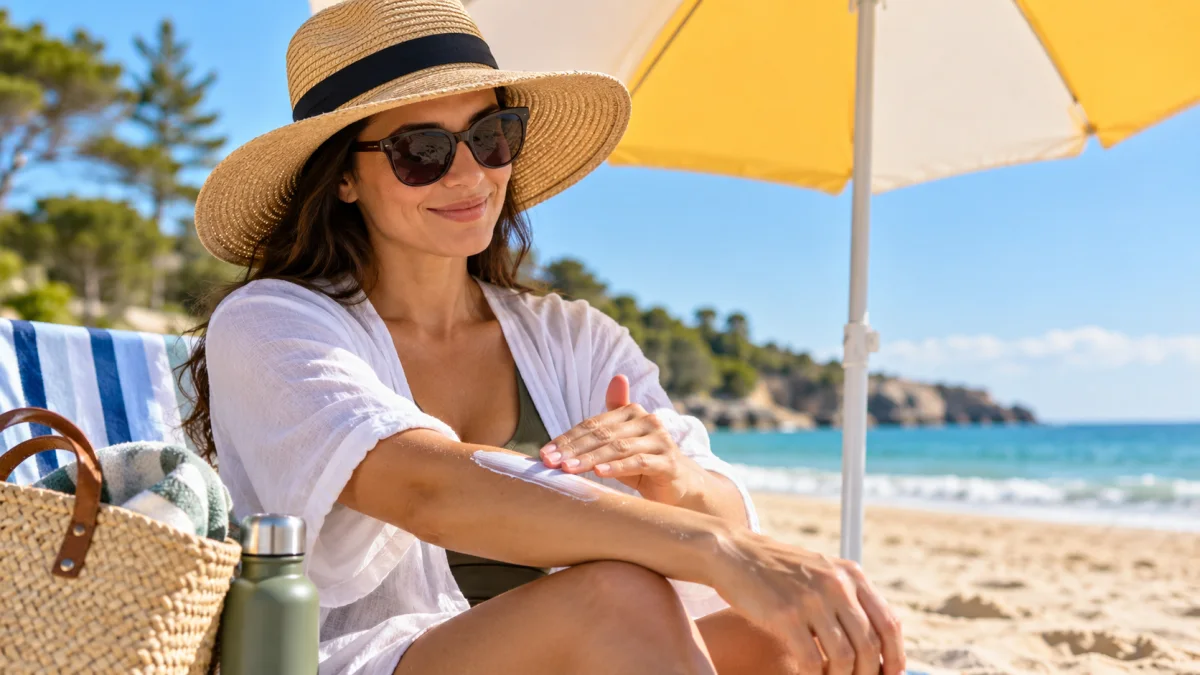
- Use shade from an umbrella, tree or other shelter, especially when the sun is strongest.
- Wear tightly woven clothing that covers more skin when practical.
- Choose a wide-brimmed hat that shades the face, ears and back of the neck.
- Use sunglasses that block both UVA and UVB rays to protect the eyes and surrounding skin.
- Apply broad-spectrum sunscreen as directed on exposed skin and reapply according to the product label, especially after swimming or sweating.
- Check the local UV Index and plan outdoor activity accordingly.
Sunscreen is one part of the plan
Sunscreen does not make unlimited sun exposure safe. Use it on areas not covered by clothing, follow the label and remember that water, sand and other surfaces can reflect UV radiation. Children need careful protection and supervision, while people with a history of skin conditions or unusual skin changes should ask a clinician for personal advice.
Avoid tanning beds and deliberate tanning
Tanning beds also emit ultraviolet radiation and can damage skin. A tan is a sign that skin has responded to UV exposure, not proof of health. Do not use sun exposure as a treatment for a symptom or condition without qualified medical guidance.
When to get a skin check
Ask a healthcare professional about a new, changing, bleeding or unusual spot, or any sore that does not heal. The right screening approach depends on personal risk and local guidance. An article cannot diagnose a skin lesion, so timely professional assessment is the safer choice.
Source: CDC: Sun Safety Facts
Source: CDC: Skin cancer resources
Health notice: This article is for general education and does not replace advice from a qualified healthcare professional. Seek medical help for persistent, severe or emergency symptoms, and ask a clinician before making major changes if you have a medical condition, are pregnant, take medicines or are starting a new exercise plan.
Conclusion
Review the official sources, dates and eligibility conditions mentioned in this article before taking action. For more related updates, explore the category links above.
FAQs
What is this article about?
Follow practical sun-safety steps with shade, protective clothing, hats, sunglasses and broad-spectrum sunscreen for outdoor activities.
What topics are covered in this article?
This guide covers: Practical ways to reduce UV exposure, Sunscreen is one part of the plan, Avoid tanning beds and deliberate tanning, When to get a skin check.
What should applicants check before applying?
Applicants should check eligibility, required documents, the closing date and the official application channel before submitting any information.
When was this article last updated?
This article was last updated on 18 October, 2026. Always verify deadline-sensitive information from the official source linked in the article.






Comments (0)
No Comments Found