





Quick Facts
Introduction
Explore 2026 smartphone trends including foldable displays, computational photography, variable apertures, AI cameras and practical buying advice.
Updated October 18, 2026: The 2026 smartphone market is being shaped by three connected trends: foldable displays, advanced camera hardware and AI-assisted photography. New launches from Apple, Google and Samsung show how phone makers are competing on experience rather than only on processor speed.
For related updates, explore Jobs, Scholarships, Government Schemes and Admissions for more information.
Foldables are becoming a mainstream design conversation
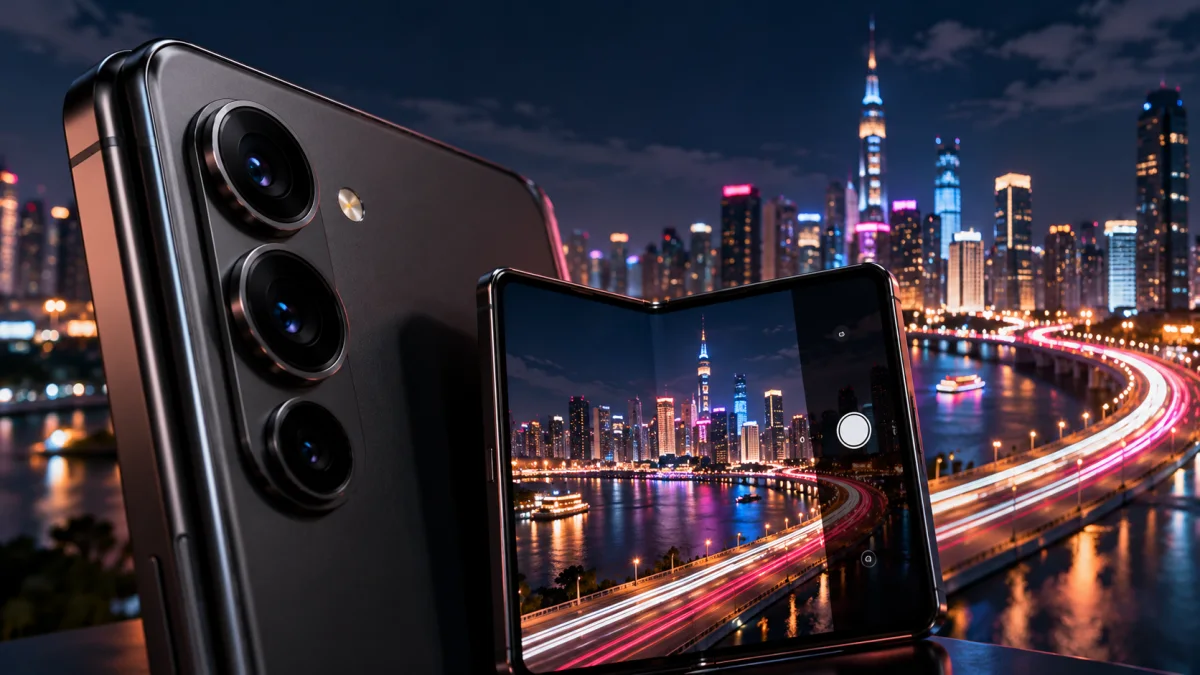
Apple has entered the category with iPhone Duo, while Google and Samsung continue to offer foldable designs in their phone families. A foldable can give users a larger canvas for reading, multitasking and video without requiring a permanently large phone. The main questions remain durability, hinge design, thickness, battery life, software layout, price and repair support.
Camera hardware and computational photography
Flagship phones increasingly combine multiple cameras with software that processes colour, exposure, motion and detail. Apple describes variable-aperture technology on iPhone 18 Pro, while iPhone Duo uses a dual-camera system designed around its foldable form. AI can improve editing and scene processing, but it can also alter details or produce a result that looks convincing without being faithful to the original scene.
What to look for in a phone camera
- Check low-light samples from independent reviews instead of relying only on megapixel counts.
- Compare stabilisation, autofocus, video sound and skin-tone handling.
- Ask whether AI editing is optional and whether original photos are preserved.
- Check storage and battery because high-resolution photos and video consume both quickly.
- Confirm that camera features work in your region and language.
Do users need to upgrade?
A new phone is worthwhile when it solves a real problem: a failing battery, insufficient storage, broken support, an important camera need or a feature that improves daily work. If a current phone remains secure, reliable and fast enough, keeping it longer may be more sensible than upgrading for small camera or AI changes. Software support and repairability should be part of the decision.
The direction of mobile technology
The smartphone is becoming a flexible computer, camera, translator, health companion and AI interface. The next competitive stage will be about reliable integration: a phone should help without hiding uncertainty, collecting more data than necessary or making important edits without user control.
Source: Apple: iPhone Duo camera and display information
Source: Google: Pixel 11 camera and hardware announcement
Source: Samsung: Galaxy Unpacked 2026 and agentic AI direction
News note: Product availability, prices, supported regions, software features and release schedules can change. Always check the official product page before making a purchase or relying on a feature.
Conclusion
Review the official sources, dates and eligibility conditions mentioned in this article before taking action. For more related updates, explore the category links above.
FAQs
What is this article about?
Explore 2026 smartphone trends including foldable displays, computational photography, variable apertures, AI cameras and practical buying advice.
What topics are covered in this article?
This guide covers: Foldables are becoming a mainstream design conversation, Camera hardware and computational photography, What to look for in a phone camera, Do users need to upgrade?, The direction of mobile technology.
What should applicants check before applying?
Applicants should check eligibility, required documents, the closing date and the official application channel before submitting any information.
When was this article last updated?
This article was last updated on 18 October, 2026. Always verify deadline-sensitive information from the official source linked in the article.






Comments (0)
No Comments Found