



Quick Facts
Introduction
Learn how Pakistan’s cashless payment ecosystem is developing, from merchant QR payments and bank apps to safer government disbursements.
Pakistan’s banking experience is moving beyond the traditional branch. Small shops, freelancers, households and public institutions increasingly need payment tools that are fast, traceable and easy to reconcile. Recent policy discussions involving the State Bank of Pakistan, NADRA and government stakeholders have highlighted digital merchant payments and electronic government disbursements. The opportunity is large, but a successful cashless system also requires customer protection, reliable connectivity and strong fraud controls.
For related updates, explore Government Schemes, Startup News, Tech News and Knowledge Base for more information.
What counts as a cashless payment?
A cashless payment is a transaction completed without handing over physical notes or coins. It can use a bank app, internet banking, card, QR code, mobile wallet, account-to-account transfer or an approved digital channel. The user experience may look different, but the important questions are the same: who is receiving the money, what fee is charged, how quickly does it settle and what evidence exists if something goes wrong?
Why merchant payments matter
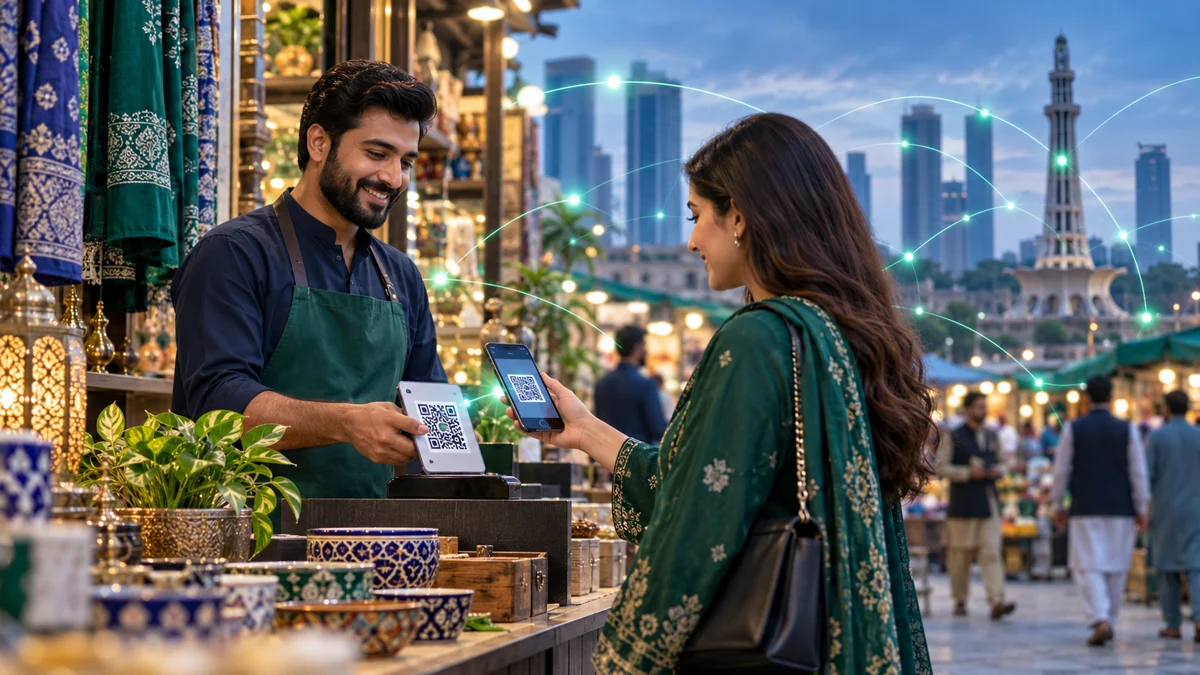
For a shopkeeper, digital acceptance can reduce the need to hold change, create a transaction record and make sales reconciliation easier. For customers, QR or account payments can be useful when a card machine is not available. However, merchants should use an account registered in the business or owner’s name, display the correct payment identity and confirm each payment in their own app instead of trusting a screenshot.
Government payments and financial inclusion
Digital disbursements can potentially improve the speed and traceability of welfare payments, refunds, salaries and other public transfers. They must still be designed for people with limited internet access, low digital literacy, disabilities or no smartphone. Assisted channels, clear complaint mechanisms and protection against unauthorised deductions are essential. A digital payment is only inclusive when the recipient can understand and safely use it.
How customers can use digital payments safely
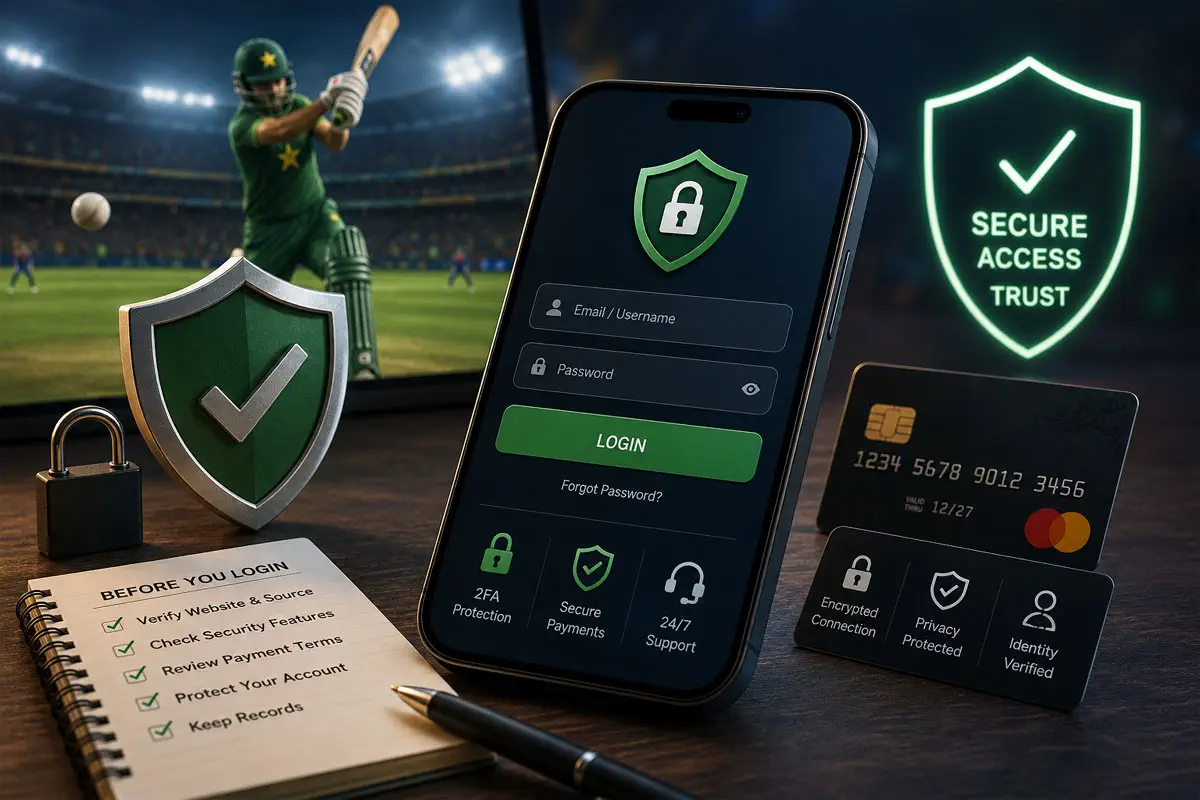
- Install the banking or wallet app only from the official app store.
- Use a unique password, device lock and transaction PIN; never share an OTP.
- Check the recipient name and amount before confirming.
- Keep transaction alerts enabled and review statements regularly.
- Call the bank through the number on its official website or card if a payment is disputed.
- Do not allow a stranger to control your phone through a remote-support app.
Businesses should also keep a separate record of refunds, chargebacks and failed transactions. The State Bank of Pakistan circulars page is the right place to check formal banking instructions. A government payment announcement should be verified on the relevant ministry or department website before personal data is submitted. Read more in our Banking Info category.
FAQs
Are cashless payments always free?
No. Fees, limits and taxes depend on the channel, bank, merchant service and transaction type. Check the current schedule of charges before regular use.
What should a merchant do after a disputed payment?
Keep the transaction reference, receipt and customer details allowed by law, then contact the bank or payment provider through its official support channel.
Is a payment screenshot proof of settlement?
No. Confirm the credit in the merchant’s own account or official transaction history. Screenshots can be edited or show a failed transaction.
Conclusion
Review the official sources, dates and eligibility conditions mentioned in this article before taking action. For more related updates, explore the category links above.






Comments (0)
No Comments Found