





Quick Facts
Introduction
Protect online and mobile banking in Pakistan with 10 practical steps against phishing, fake calls, OTP theft, SIM scams and unauthorized transfers.
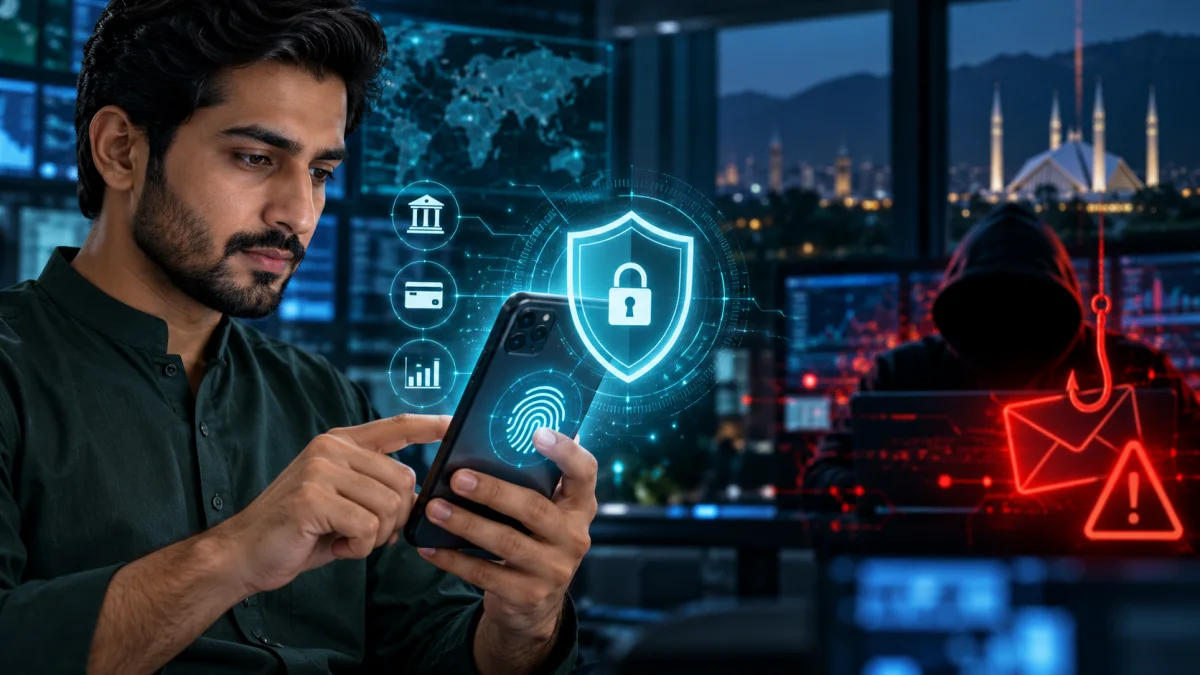
Mobile and internet banking make payments convenient, but fraudsters also use fake calls, SMS, social media messages, malicious links and impersonation. State Bank of Pakistan requires banks to educate customers about common frauds and maintain controls for digital payments, but customers must also protect their credentials.
For related updates, explore Government Schemes, Startup News, Tech News and Knowledge Base for more information.
10 rules for safer online banking
- Never share your PIN, password, OTP or card security code.
- Do not click bank links received through unknown SMS, WhatsApp or email messages.
- Type the bank’s official website address or use the official app.
- Do not install remote-access software at a caller’s request.
- Use screen lock, app lock and biometric protection on your phone.
- Keep the mobile operating system and banking app updated.
- Turn on transaction alerts and review statements frequently.
- Use a separate strong password and never reuse it on social media.
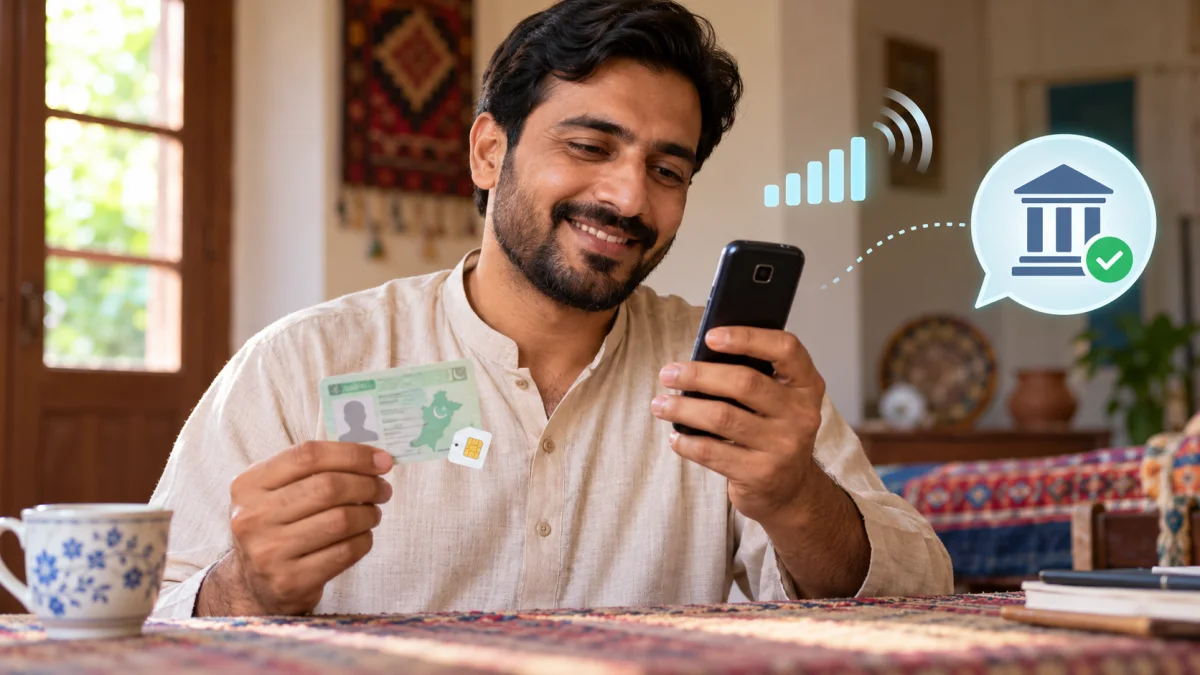
- Protect your SIM and report loss or unauthorized replacement to the operator.
- Contact the bank immediately if a suspicious transaction occurs.
How to respond to a suspected fraud
Call the bank through the number printed on the card or official website, request blocking of the affected card or digital channel, change credentials from a safe device and keep the complaint reference number. Inform the relevant authorities when required. Speed matters because a bank may be able to place controls before funds move further.
Common scams in Pakistan
Fraudsters may pretend to be bank staff, SBP officers, courier agents, tax officials or prize administrators. They may ask for an OTP to “verify” a refund or claim that an account will be blocked. A genuine bank should not ask a customer to disclose a secret PIN or OTP over a call.
FAQs
Will a bank call for verification? Banks may contact customers, but never disclose secret credentials; independently call the official helpline if uncertain. What if an OTP was shared? Immediately call the bank, block access and change credentials. Should alerts be ignored? No; alerts are an early warning system.
Official sources: SBP digital fraud and customer awareness instructions.
Important: This guide is for general information and financial education. Product rules, rates, limits, charges and eligibility can change. Always confirm the latest details with your bank or the relevant official authority before applying or transferring money.
Conclusion
Review the official sources, dates and eligibility conditions mentioned in this article before taking action. For more related updates, explore the category links above.
FAQs
What is this article about?
Protect online and mobile banking in Pakistan with 10 practical steps against phishing, fake calls, OTP theft, SIM scams and unauthorized transfers.
What topics are covered in this article?
This guide covers: 10 rules for safer online banking, How to respond to a suspected fraud, Common scams in Pakistan, FAQs.
What should applicants check before applying?
Applicants should check eligibility, required documents, the closing date and the official application channel before submitting any information.
When was this article last updated?
This article was last updated on 17 October, 2026. Always verify deadline-sensitive information from the official source linked in the article.





Comments (0)
No Comments Found