





Introduction
Oil above $100 is a major market risk. Learn how Middle East supply disruptions can affect inflation, currencies, bonds, stocks and Pakistan’s economy.
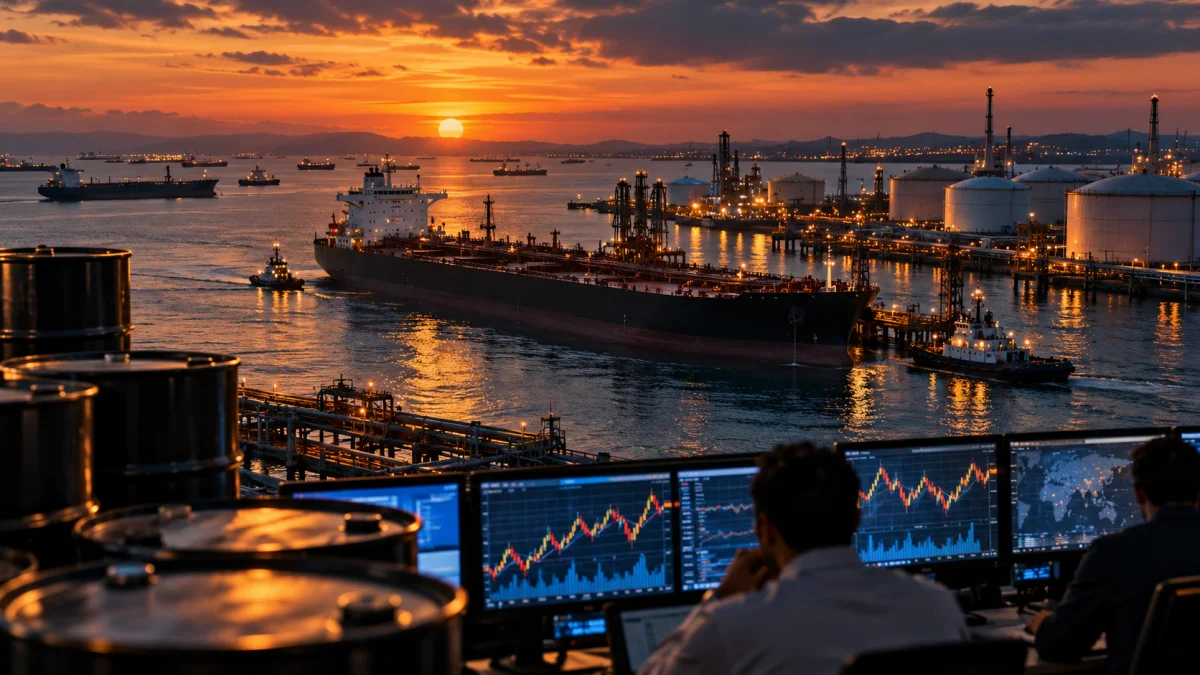
Oil is again at the centre of markets as geopolitical developments and supply-route uncertainty make energy prices more volatile. Recent reporting noted Brent crude briefly moving above $100, while energy data showed that Strait of Hormuz disruptions had already created unusually large price swings earlier in 2026.
For related updates, you can also check our latest jobs, scholarships, government schemes, and admissions pages for more opportunities.
Why oil matters beyond energy
Crude is an input for transport, electricity, manufacturing, chemicals and logistics. Higher oil can raise consumer prices, make central banks cautious about rate cuts and pressure the currency and foreign-exchange position of import-dependent economies.
How a supply shock reaches markets
- Inflation: fuel and transport costs can feed into headline prices.
- Bonds: higher inflation expectations can push yields upward.
- Equities: producers may benefit while airlines and fuel-intensive firms face pressure.
- Currencies: oil importers may experience external-balance stress.
- Gold and dollar: both respond to risk appetite, real yields and safe-haven demand.
What traders should track
Follow production data, shipping insurance, tanker traffic, inventories, OPEC+ decisions, refinery margins and the duration of any disruption. A headline spike is not the same as a lasting shortage; demand may also weaken when prices stay high.
Pakistan implications and FAQs
Pakistan is sensitive to imported energy costs because oil affects the import bill, transport, electricity and inflation expectations. The final impact depends on domestic pricing policy, the rupee-dollar rate and purchase timing.
Does oil above $100 always crash stocks? No. The duration and cause matter. Why is Hormuz important? It is a critical route for global oil flows. Should traders buy energy stocks after a spike? Not automatically; valuation, hedging and debt still matter.
Sources: Reuters market report and the US Energy Information Administration.
Important: This article is for news and educational purposes only. It is not financial advice. Market prices can change quickly. Verify information with official sources and consult a licensed financial professional before making investment decisions.
To stay updated with similar content, also visit our schemes, scholarships, jobs, and admissions pages for new opportunities and official updates.
FAQs
What is this article about?
This article explains the main details, timeline, and important updates related to Oil Above $100: How Middle East Supply Risk Can Move Inflation and Markets in a simple, reader-friendly format.
Where can I find more opportunities like this?
You can explore our dedicated jobs, scholarships, schemes, and admissions sections for similar updates, official notices, and recent opportunities.
How often is this page updated?
We refresh important articles whenever new announcements, corrections, or deadline changes become available so readers can stay informed.





Comments (0)
No Comments Found