



Quick Facts
Introduction
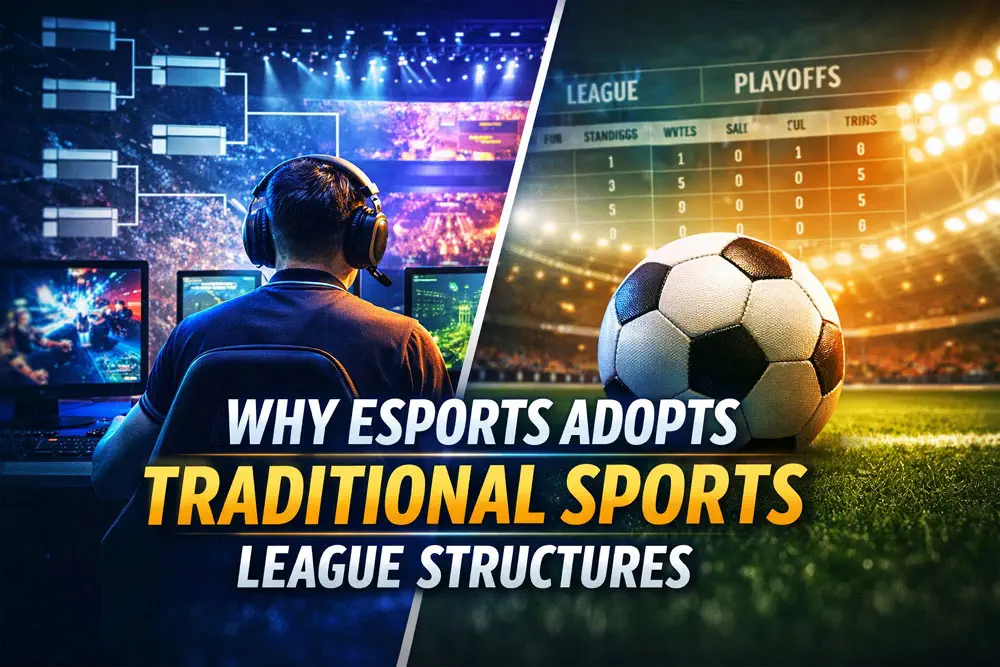
Discover why esports is shifting to structured leagues, improving fan engagement, stability, sponsorship value, and long-term growth.
Esports was once sold as the wild alternative to old-school sport. It looked faster, looser, less formal, and more internet-shaped in every possible way. That image still has some truth to it, but the industry has been moving in another direction for years. The more esports grows, the more it begins to resemble the classic sports league model, with regular seasons, playoffs, team brands, transfer talk, studio analysis, fan rituals, and long-term commercial planning.
For related updates, explore Jobs, Scholarships, Government Schemes and Admissions for more information.
That shift is not hard to understand. Modern digital audiences may arrive through gaming culture, streaming, or even casual entertainment spaces where names like adventure wonderland gaming platform reflect the wider online habit of moving between play, spectacle, and community. But once competition becomes serious, the same old logic returns. Fans want narratives that last longer than one event. Sponsors want stability. Teams want predictable income. Organizers want a system that can be sold, repeated, and understood without needing a ten-page explanation every month.
Chaos Looks Fun Until Money Enters the Room
In the early days, esports often thrived on openness. Tournaments appeared quickly, formats changed often, and teams could rise or disappear almost overnight. That gave the scene a certain raw energy. It also created confusion. A fan could follow one title for six months and then discover that the tournament structure had shifted again, the best roster had broken apart, and the biggest event now sat behind a different publisher strategy.
Traditional sports solved that kind of problem long ago. Stable leagues create rhythm. A season has a beginning, a middle, and an end. There is room for anticipation, recovery, rivalry, and memory. Esports has started copying that structure because constant disorder is exciting only up to a point. After that, it becomes exhausting. Even the internet gets tired, which is saying something.
Why League Structure Makes Esports Easier to Follow
The biggest benefit of the traditional model is clarity. Fans do not just want high-level play. Fans want context. A match matters more when it fits into a larger race, a table, a playoff chase, or a rivalry that carries weight from month to month.
That is one reason league systems keep returning. They make competition easier to understand and easier to care about. Several advantages stand out:
- A regular season builds habit
Audiences are more likely to stay invested when there is a known schedule instead of random bursts of action. - Standings create real tension
Every match can affect qualification, seeding, or survival, which gives even smaller games a sense of consequence. - Team identity becomes stronger
A club or organization has more time to build culture, fan loyalty, and recognizable style. - Sponsors get a safer environment
Brands prefer predictable exposure over one-off events that vanish in a weekend.
This does not make esports less exciting. If anything, it often gives the drama more shape. A miracle run feels bigger when the audience understands what was at stake before it started.
The Business Side Pushes Everything Toward Tradition
There is also a less romantic reason for this change. Investors, publishers, advertisers, and media partners generally prefer systems that look organized. A classic league format feels familiar. It can be packaged, measured, negotiated, and expanded more easily than a loose collection of tournaments with shifting rules and unstable attendance.
That pressure affects almost every layer of the scene. The old dream of pure community energy running the whole industry sounds charming, but large-scale esports cannot survive on charm alone. Infrastructure costs money. Talent costs money. Broadcast production definitely costs money. Once serious budgets appear, serious structure tends to follow.
This usually leads to several league-style habits becoming more common:
- Centralized scheduling
Seasons work better when calendars feel reliable for teams, viewers, and sponsors. - Clear qualification systems
Promotion paths, playoff rules, and ranking logic make the competitive scene feel fairer. - Stronger franchise or partner models
Organizations want some protection from total collapse after one bad split or season. - More media polish around the competition
Analysis desks, official content, and recurring broadcasts help the product feel established.
This is where esports begins to look less like a rebellious cousin of sport and more like sport wearing a brighter jacket.
Not Every Copy Helps
Of course, copying traditional sports is not automatically a good thing. Some esports leagues have borrowed the structure without fully earning the loyalty that makes the structure work. A polished league with weak grassroots support can feel hollow. A franchise model without open competitive energy can become stale. Traditional sports leagues are not successful just because of the format. They are successful because history, culture, and local attachment grew around that format over time.
Esports still has to build that depth. Some titles manage it better than others. Some regions create stronger fan identity. Some leagues feel alive, while others feel like expensive furniture no one actually sits on. So the copy is never perfect. It is more of an adaptation.
Esports Is Growing Up, Not Settling Down
The reason esports keeps copying classic sports leagues is simple in the end. Structure helps competition last. It helps fans care longer, helps teams plan further ahead, and helps the business side stop wobbling every few months. The raw internet spirit is still there, but it now shares the stage with calendars, standings, playoff brackets, and carefully managed narratives.
That is not betrayal. It is maturity, or at least the messy version of it. Esports has discovered what older sports learned long ago: talent brings attention, but structure is what keeps the lights on.
Conclusion
Review the official sources, dates and eligibility conditions mentioned in this article before taking action. For more related updates, explore the category links above.
FAQs
What is this article about?
Discover why esports is shifting to structured leagues, improving fan engagement, stability, sponsorship value, and long-term growth.
What topics are covered in this article?
This guide covers: Chaos Looks Fun Until Money Enters the Room, Why League Structure Makes Esports Easier to Follow, The Business Side Pushes Everything Toward Tradition, Not Every Copy Helps, Esports Is Growing Up, Not Settling Down.
What should applicants check before applying?
Applicants should check eligibility, required documents, the closing date and the official application channel before submitting any information.
When was this article last updated?
This article was last updated on 11 April, 2026. Always verify deadline-sensitive information from the official source linked in the article.



Comments (0)
No Comments Found