




Quick Facts
Introduction
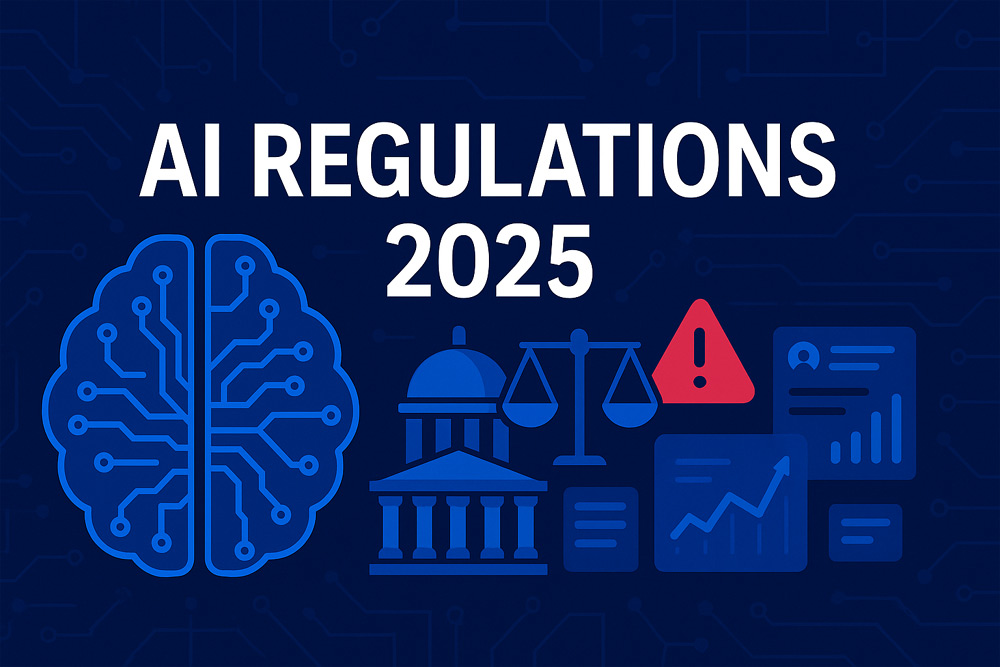
Introduction AI Regulations 2025 have become a major global current affairs topic as governments move to control the rapid growth of artificial intelligence. With generative AI tools impacting jobs, privacy, and national security, regulators are stepping in to set boundaries. In 2025, AI regulation is no longer theoretical. Countries are enforcing legal frameworks to govern AI development, deployment, and accountability. Businesses, startups, and developers must now understand AI regulations to
Introduction
AI Regulations 2025 have become a major global current affairs topic as governments move to control the rapid growth of artificial intelligence. With generative AI tools impacting jobs, privacy, and national security, regulators are stepping in to set boundaries. In 2025, AI regulation is no longer theoretical. Countries are enforcing legal frameworks to govern AI development, deployment, and accountability. Businesses, startups, and developers must now understand AI regulations to avoid penalties and ensure compliance.What Are AI Regulations?
AI regulations are laws and policy frameworks designed to control how artificial intelligence systems are built and used.Core objectives:
- Reduce AI-related risks
- Protect user data and privacy
- Prevent bias and discrimination
- Ensure transparency and accountability
Why AI Regulations Are Trending in 2025
AI regulations are trending due to real-world risks and rapid adoption. Key drivers:- Rise of ChatGPT-style generative AI
- Deepfake and misinformation threats
- AI use in surveillance and warfare
- Data privacy violations
- Job displacement concerns
Global AI Regulation Landscape
European Union
- EU AI Act classifies AI by risk level
- Heavy fines for non-compliance
- Mandatory transparency rules
United States
- Sector-based AI oversight
- Focus on national security and data protection
- Executive orders shaping AI governance
Asia and Middle East
- China enforcing strict AI content controls
- UAE and Saudi Arabia promoting regulated AI innovation
Impact on Businesses and Developers
AI regulations directly affect companies using AI tools.Key impacts:
- Mandatory AI risk assessments
- Compliance costs increase
- Limits on automated decision-making
- Need for explainable AI systems
Expert Opinions and Research
According to Forbes, AI regulation is essential to balance innovation and safety. The World Economic Forum states that responsible AI governance increases long-term trust. Google’s policy blog highlights transparency as the foundation of sustainable AI development.How to Prepare for AI Regulations
Actionable steps:- Conduct AI compliance audits
- Implement AI ethics guidelines
- Use explainable and auditable models
- Follow regional AI laws before deployment
Conclusion
AI Regulations 2025 mark a turning point in how technology is governed worldwide. While compliance may slow unchecked innovation, it ensures safer, fairer, and more transparent AI systems. Businesses that adapt early will gain trust and long-term stability. Stay updated, comply early, and build responsible AI.References
- European Commission – EU AI Act
- World Economic Forum – AI Governance Reports
- Forbes – AI Regulation Analysis
- Google Policy Blog – Responsible AI
FAQs
What is this article about?
Introduction AI Regulations 2025 have become a major global current affairs topic as governments move to control the rapid growth of artificial intelligence. With generative AI tools impacting jobs, privacy, and national security, regulators are stepping in to set boundaries. In 2025, AI regulation is no longer theoretical. Countries are enforcing legal frameworks to govern AI development, deployment, and accountability. Businesses, startups, and developers must now understand AI regulations to
What topics are covered in this article?
This guide covers: Introduction, What Are AI Regulations?, Core objectives:, Why AI Regulations Are Trending in 2025, Global AI Regulation Landscape.
What should applicants check before applying?
Applicants should check eligibility, required documents, the closing date and the official application channel before submitting any information.
When was this article last updated?
This article was last updated on 13 December, 2025. Always verify deadline-sensitive information from the official source linked in the article.





Comments (0)
No Comments Found