





Quick Facts
Introduction
Sony MDR-3R brings back the 1979 Walkman headphones with USB-C, a mic and in-line remote. See the price, sound, drawbacks and what Pakistani buyers should know.
Wired headphones are having a moment, and Sony knows it. The Sony MDR-3R has been climbing Google Trends in Pakistan since the company revived one of the most recognisable accessories in audio history. If you have seen those slim metal-and-orange headphones in old photos or in Stranger Things, this is the modern version.
For related updates, explore Jobs, Scholarships, Government Schemes and Admissions for more information.
It looks like a nostalgia product, and in large part it is. Still, there are a few details that decide whether it makes sense for you, particularly if you are buying from Pakistan.
Where the MDR-3R Comes From
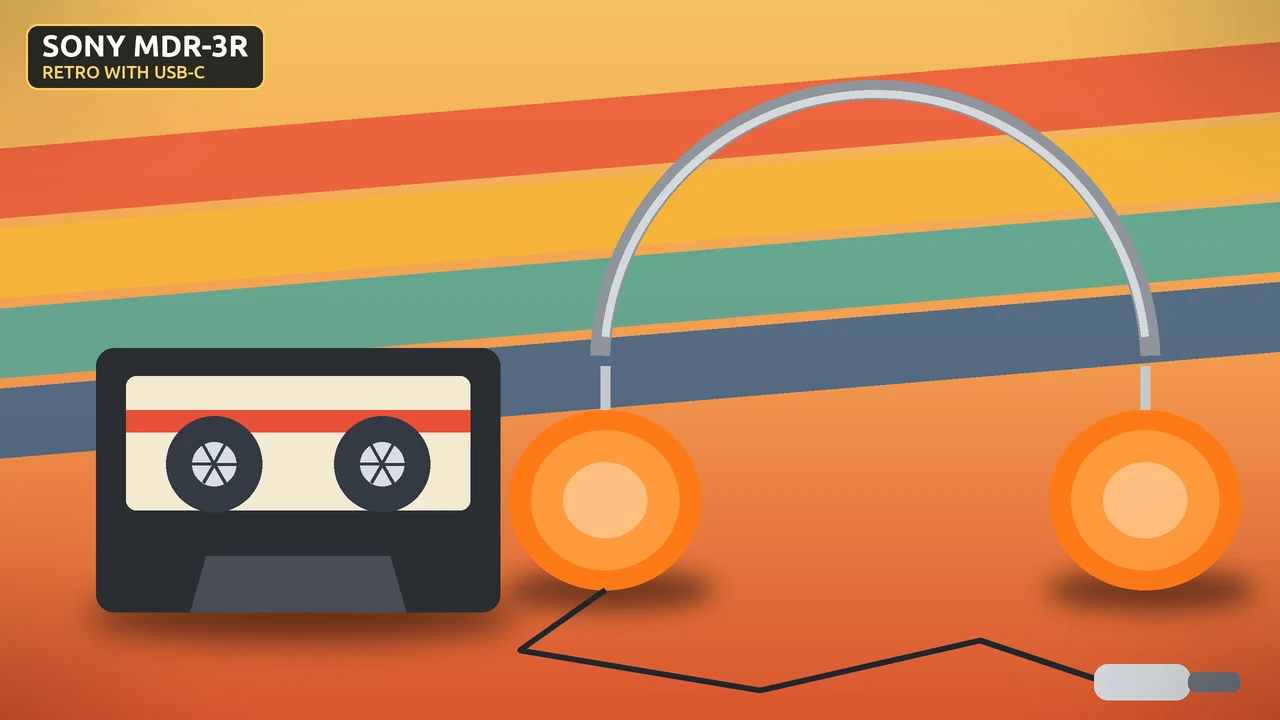
The original MDR-3L2 debuted in 1979 alongside the Walkman TPS-L2 cassette player. It was famous for a thin, adjustable grey headband, metal sliders and round orange ear cushions. Sony's new model keeps almost exactly that appearance. As Ars Technica points out, it stands in sharp contrast to today's bulky over-ear headsets, with their wide headbands and heavy padding.
Sony MDR-3R Key Features
| Type | Wired, on-ear |
|---|---|
| Connector | USB-C |
| Driver size | 23mm, the same as the original MDR-3 |
| Controls | In-line remote |
| Microphone | Built in |
| Ear cushions included | Blue and orange pairs, swappable |
| Standard price | $59.99 |
| Stranger Things edition | $79.99, with red and black cushions and an engraved headband |
How Do They Actually Sound?
Sony says it used the same 23mm driver units as the old model to reproduce a sound close to the original. Early impressions are positive within limits. Mashable's reviewer was surprised by how clear the sound was while noting it does not have the greatest depth. Gizmodo, quoted by Ars Technica, described the mids and highs as bright and clear with good stereo separation. Do not expect heavy bass.
In other words, these suit vocals, older pop and rock and acoustic music better than bass-heavy tracks. If you listen mostly to modern electronic music or want cinema-style low end, a more conventional pair will serve you better.
The Drawbacks Are Real
- Sound leakage: Mashable's reviewer found that people nearby could hear the music, even at normal volume. That could be a problem in offices, libraries or on a quiet bus.
- Weak in noisy places: There is no noise cancelling, so the mic and the listening experience will struggle on a busy Lahore or Karachi road.
- Not travel-friendly: They do not fold and do not come with a carrying case.
- USB-C only: Without a 3.5mm plug, you will need a USB-C device. Older iPhones with Lightning and some laptops may need an adapter.
Should Pakistani Buyers Care?
We could not find an official Pakistan launch or local price for the MDR-3R. The announced price is in US dollars, sold through Amazon and Sony, so anyone importing a pair should add shipping, customs and any seller margin to the final cost. Local shops may charge considerably more for early stock.
Before paying a reseller, ask whether a warranty is included, because imported units often have none in Pakistan. Check that the pair actually has the MDR-3R model name, since cheap lookalikes tend to appear soon after a popular release.
Wired or Wireless: Why People Are Going Back to Cables
Ars Technica links the MDR-3R to a wider revival of interest in wired headphones and physical media. There are practical reasons behind that trend as well as nostalgia. A wired pair does not need charging, does not have to pair over Bluetooth, and has no battery that will wear out after a few years.
Latency is another advantage. Audio over a cable generally has less delay than most Bluetooth connections, which is helpful for mobile gamers. For students and office workers in Pakistan, a pair that works during a power cut without needing a charge has an obvious appeal too.
On the other hand, USB-C headphones rely on the digital audio support of your phone or laptop, and a cable is less convenient while exercising or commuting. If you want freedom of movement and noise isolation on public transport, wireless earbuds remain the more practical choice.
Who Should Buy the MDR-3R?
- Buy it if you love retro design, listen at home or at a quiet desk, and want something lightweight.
- Consider it if you are a Stranger Things fan, as the special edition is aimed squarely at you.
- Skip it if you commute by bus or motorcycle, need strong bass, or take a lot of calls in noisy places.
Our Take
The MDR-3R is not trying to replace a good pair of noise-cancelling headphones. It is a stylish, reasonably priced accessory for people who love retro design and want a simple plug-in pair for casual listening. Mashable's reviewer was complimented on the look three separate times while testing them, which perhaps says everything about what you are really buying.
More gadget news is available in our tech news section.
FAQs
How much do the Sony MDR-3R headphones cost?
The standard version is priced at $59.99, and the Stranger Things edition is $79.99.
Do they have noise cancelling?
No. They are simple wired on-ear headphones with a mic and in-line remote.
Are they available in Pakistan?
We could not confirm an official Pakistan launch or local price at the time of writing.
Sources: Ars Technica, Mashable, Bloomberg.
Conclusion
Review the official sources, dates and eligibility conditions mentioned in this article before taking action. For more related updates, explore the category links above.






Comments (0)
No Comments Found