



Quick Facts
Introduction
The Evolution of Karachi’s Street Food: A Journey from Old to New Karachi, known as the food capital of Pakistan, is a city where street food has flourished over decades, reflecting the diversity and vibrancy of its culture. From traditional local snacks to fusion dishes, the city's street food has evolved into a delicious amalgamation of flavors that appeal to every palate. This journey from old to new not only showcases Karachi’s culinary history but also how its street food scene continues to
The Evolution of Karachi’s Street Food: A Journey from Old to New
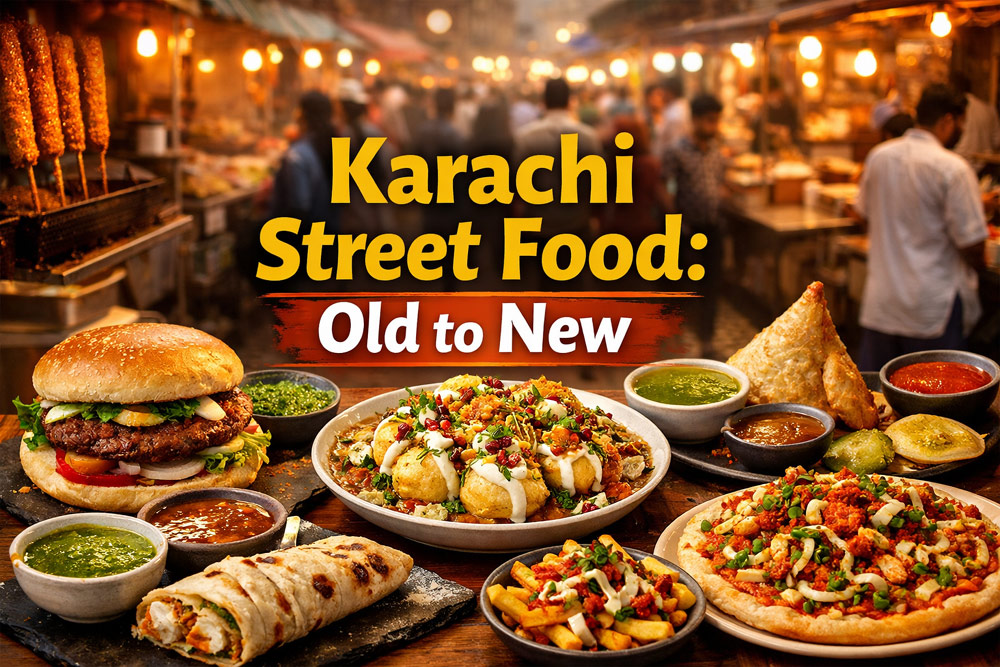
Karachi, known as the food capital of Pakistan, is a city where street food has flourished over decades, reflecting the diversity and vibrancy of its culture. From traditional local snacks to fusion dishes, the city's street food has evolved into a delicious amalgamation of flavors that appeal to every palate. This journey from old to new not only showcases Karachi’s culinary history but also how its street food scene continues to innovate and inspire.1. The Early Days: Traditional Karachi Street Food
The story of Karachi’s street food starts with traditional local snacks that have been around for generations. Iconic dishes like bun kabab, samosas, and kachoris were the backbone of Karachi’s street food culture. These hearty and flavorful snacks were sold by vendors on busy street corners and became an integral part of the city's food scene. Bun kabab, with its soft buns, juicy patty, and tangy chutneys, has been a favorite for decades. It has evolved over the years, with newer variations like chicken bun kabab and beef bun kabab. Similarly, samosas and kachoris, filled with spicy potatoes or minced meat, have been a staple for Karachiites, offering the perfect quick bite for those on the go. In the early days, street food in Karachi was often limited to these traditional items, with little experimentation. However, even then, it was the street vendors who brought warmth and comfort to the city through these classic dishes. Today, many of these iconic snacks can be found in restaurants like Mirchili, where they are given a modern twist while retaining their authentic flavors. Check out their Mirchili menu for a mix of both old and new street food items.2. The Rise of Chaat: The Indian Influence
As Karachi’s population grew and the city became more cosmopolitan, the influx of diverse cultures began influencing its food scene. Among the most notable changes was the introduction of chaat, a popular Indian snack, to Karachi’s streets. Pani puri, bhel puri, dahi puri, and other varieties of chaat quickly gained popularity in the city’s street food scene. Chaat offered a perfect combination of sweet, spicy, tangy, and salty flavors that appealed to the Karachi palate. Its success on the streets of Karachi can be attributed to its ability to cater to all age groups, with its customizable fillings and sauces. Over time, Karachi’s street food vendors began experimenting with different styles of chaat, incorporating local ingredients and flavors to create new variations. Restaurants like Mirchili have become well-known for serving an innovative South Indian take on chaat, blending flavors from South India and Karachi’s street food culture. The Mirchili menu features a wide array of chaat options that highlight this evolution in taste and technique.3. The Fusion Revolution: A Taste of Global Influences
With globalization and increased access to international food trends, Karachi’s street food has entered a new phase of evolution: fusion. Vendors began incorporating influences from around the world, mixing traditional Pakistani street food with international flavors, textures, and presentations. This era marked the birth of innovative dishes like sushi rolls wrapped in naan, burger-style bun kababs with unique fillings, and Italian-style pizzas topped with traditional desi toppings. Today, fusion food has become a significant part of Karachi’s street food scene, blending the best of both worlds. A prime example of this is the Mirchili approach to street food, where traditional South Indian flavors are combined with the vibrant elements of Karachi's street food culture. Whether it’s their take on dosa or bun kabab, Mirchili brings a refreshing twist to classic dishes. You can explore their Mirchili menu to see how they continue to innovate in the realm of fusion food.4. The Health Conscious Shift: A New Era of Street Food
As the world became more health-conscious, Karachi’s street food vendors began catering to this shift by offering healthier alternatives. More people became interested in vegetarian, gluten-free, and plant-based options, which led to a rise in street food offerings that catered to these demands. In response, many street food vendors and restaurants started offering vegan bun kababs, gluten-free dosas, and salads with traditional chaat toppings. This shift allowed for a broader audience to enjoy Karachi’s vibrant street food culture while maintaining healthier eating habits. At Mirchili, you can find healthier versions of classic street food, with plant-based ingredients and a focus on fresh, nutritious elements. Visit their Mirchili menu to explore some of the exciting new healthy options available.5. The Future of Karachi’s Street Food
Looking ahead, Karachi’s street food scene will continue to evolve, with an increasing focus on sustainability, local ingredients, and innovation. Vendors are likely to keep experimenting with international trends while staying true to the roots of Karachi's beloved street food. Mirchili is a prime example of how street food in Karachi will continue to evolve. By maintaining a balance of traditional flavors while introducing new concepts, Mirchili is helping to shape the future of Karachi’s street food culture. To stay updated on their offerings, be sure to check their Mirchili contact for the latest news and information.Conclusion
The evolution of Karachi’s street food is a journey that mirrors the city’s growth, diversity, and global influences. From the humble beginnings of bun kababs and samosas to the rise of chaat and fusion food, Karachi’s street food culture has adapted to changing tastes and trends while still holding on to its rich culinary history. For an authentic experience that reflects this evolution, visit Mirchili and explore how they combine the best of traditional and modern street food.FAQs
What is this article about?
The Evolution of Karachi’s Street Food: A Journey from Old to New Karachi, known as the food capital of Pakistan, is a city where street food has flourished over decades, reflecting the diversity and vibrancy of its culture. From traditional local snacks to fusion dishes, the city's street food has evolved into a delicious amalgamation of flavors that appeal to every palate. This journey from old to new not only showcases Karachi’s culinary history but also how its street food scene continues to
What topics are covered in this article?
This guide covers: The Evolution of Karachi’s Street Food: A Journey from Old to New, 1. The Early Days: Traditional Karachi Street Food, 2. The Rise of Chaat: The Indian Influence, 3. The Fusion Revolution: A Taste of Global Influences, 4. The Health Conscious Shift: A New Era of Street Food.
What should readers verify before using this information?
Review the article details, dates, official sources and any conditions before taking action or relying on this information.
When was this article last updated?
This article was last updated on 29 December, 2025. Always verify deadline-sensitive information from the official source linked in the article.






Comments (0)
No Comments Found